

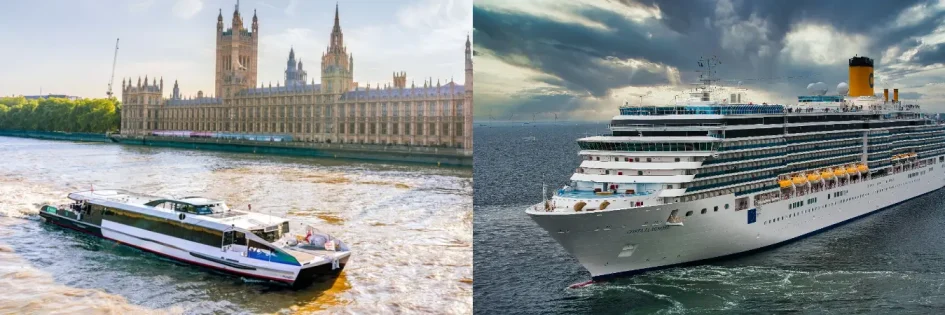

Europe’s cruise market is no longer a one-size-fits-all business. Travelers today are more informed, more experience-driven, and increasingly selective about how they explore the continent. For travel agents, understanding the difference between river cruises and ocean cruises is no longer optional. It directly impacts conversion rates, upselling opportunities, and client satisfaction.
While both products operate under the broader cruise category, they attract very different traveler profiles and deliver completely different European experiences. The right recommendation depends less on price and more on pacing, destination access, onboard expectations, and demographic fit.
The Core Difference: Destination Style
River cruises focus on inland Europe like Danube, Rhine, Seine, Douro, or Rhône. These itineraries are built around historic towns, wine regions, castles, and cultural immersion. Guests wake up directly in the center of cities such as Budapest, Vienna, or Strasbourg, often within walking distance of major attractions.
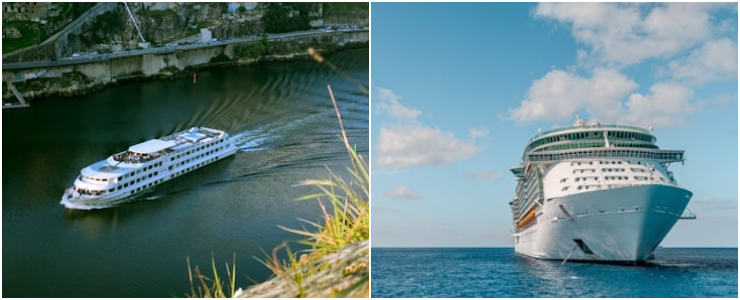
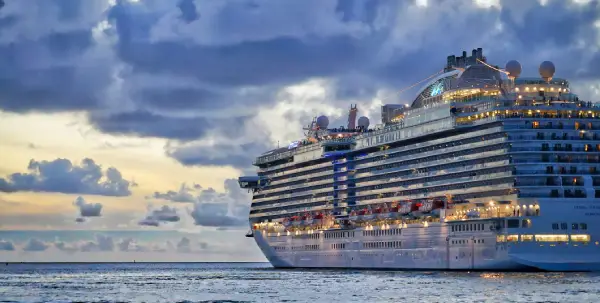
Ocean cruises, on the other hand, are built around coastal Europe and have broader geographic coverage. Mediterranean sailings, Norwegian fjords, Greek islands, Baltic capitals, and British Isles itineraries dominate this category. Ships travel farther distances and offer more extensive onboard infrastructure.
For agents, the distinction is critical because clients often confuse the two. A traveler looking for “small-town Europe” will likely feel disconnected on a large Mediterranean vessel. Similarly, a client expecting entertainment-packed sea days may find river cruising a bit boring.
Ideal Client Profiles
River Cruise Travelers
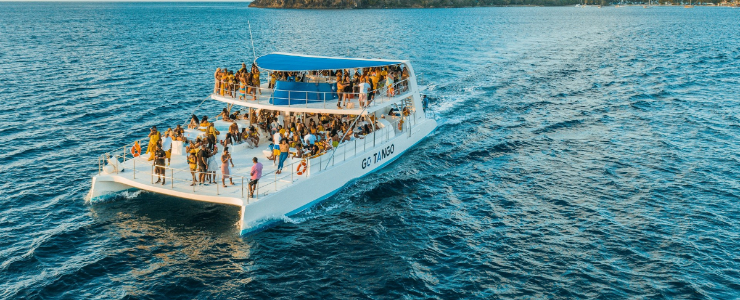
River cruising is typically for those who prioritize enrichment over entertainment. They care about guided excursions, local cuisine, and stress-free travel logistics. For agents working with premium clients, river cruising often produces stronger repeat business because satisfaction levels are consistently high.
- Affluent couples aged 45+
- Retired travelers
- Luxury-focused clients
- Food and wine enthusiasts
- Cultural travelers
- Multi-generational families seeking slower-paced travel
Ocean Cruise Travelers
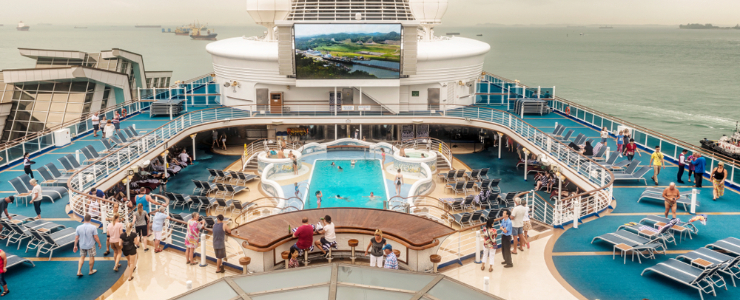
Ocean cruising appeals to those who want full-on cruising experience with entertainment. Ocean ships function almost like floating resorts. Casinos, theaters, waterparks, nightlife, and extensive dining options create broader mass-market appeal.
- Families with children
- First-time European travelers
- Budget-conscious clients
- Groups and incentive travelers
- Younger demographics
- Clients seeking entertainment-heavy vacations
Destination Access: A Major Selling Point
One of river cruising’s strongest advantages is destination access because river ships dock directly within cities and towns, which significantly improves the guest experience.
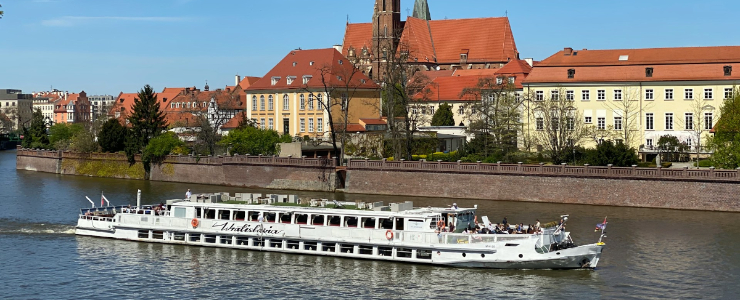
For example:
- A river cruise in Budapest places travelers steps away from Parliament and the Chain Bridge.
- Rhine sailing can dock directly in Cologne or Basel.
- A Douro cruise offers intimate access to Portuguese wine villages inaccessible to larger ships.
Ocean cruises compensate with geographic diversity. A single Mediterranean itinerary can include Spain, France, Italy, and Greece within one trip. That broader reach remains a major selling point for clients wanting maximum country coverage in limited time.
Onboard Experience and Atmosphere
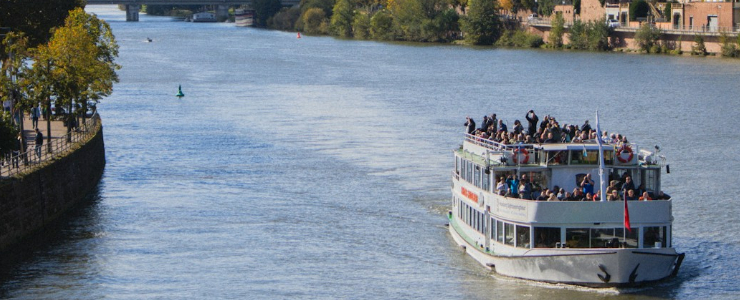
River ships are intimate. Most carry between 100 and 200 passengers. The atmosphere is relaxed, upscale, and highly personalized. Crew-to-guest ratios are stronger, and service feels more boutique-hotel-like. Entertainment is lighter and culturally focused on wine tastings, local musicians, cooking demonstrations, and more.
Ocean ships are dramatically larger, often carrying 3,000 to 6,000 passengers. They prioritize variety and nonstop activity. Travelers can expect Broadway-style productions, multiple pools, casinos, kids’ clubs, extensive dining venues, and large-scale nightlife.
Note: Travel agents should carefully match energy levels to the traveler’s expectations. Misalignment here is one of the biggest causes of cruise dissatisfaction.
Pricing and Revenue Potential

River cruises generally carry higher upfront pricing. However, the value proposition is often stronger because inclusions are broader. The fare mostly includes shore excursions, wine and beer with meals, airport transfers, Wi-Fi, and specialty dining.
Ocean cruises may appear affordable initially but often involve onboard upselling for premium services and additional comfort.
For agents, river cruising can generate higher commission value per booking despite lower passenger volume. Ocean cruises remain powerful for scalable volume sales, especially in family and group segments.
Best Time to Sell European River and Ocean Cruises
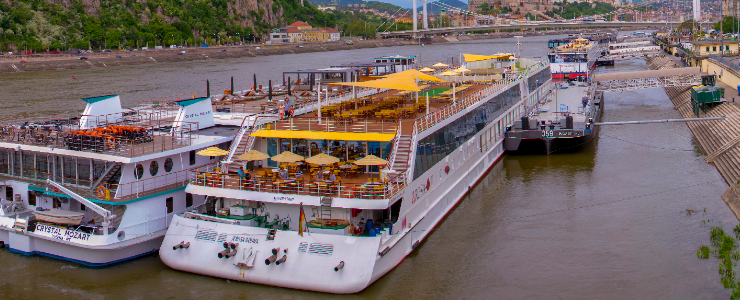
European river cruises operate heavily between March and December, with Christmas market sailings becoming a major sales driver.
Peak river cruise booking windows include:
- Tulip season in the Netherlands
- Summer Danube itineraries
- Autumn wine-themed sailings
- December holiday cruises
Ocean cruises offer broader year-round flexibility, particularly in the Mediterranean and Canary Islands.
Agents can use this distinction strategically to maintain a clear flow of revenue year-round.
Which Experience Is Better?
There is no universal winner because the better experience depends entirely on the traveler.
For travel agents, the smartest strategy is not choosing one over the other. It is understanding how to position each product correctly.
Clients who experience a well-matched cruise product are far more likely to become repeat customers, refer new business, and upgrade future bookings. The opportunity lies in identifying traveler psychology early in the consultation process. Got questions? Drop them in the comments below!
Latests Posts
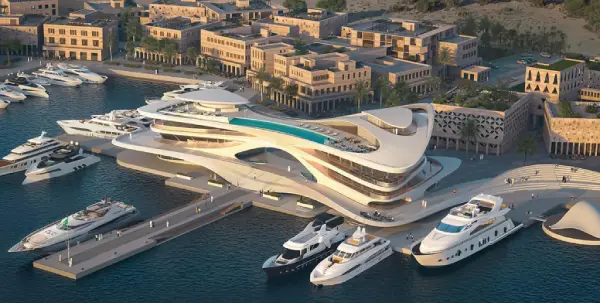
- AMAALA Yacht Club Opens, Expanding Saudi Luxury Tourism
- Carnival Launches New Rewards For Cruise Travellers
- A Cruise Stop In The Bahamas Just Got More Fun
FAQs:
Which European rivers are currently seeing the highest demand among luxury travelers?
The Danube and Rhine continue to dominate luxury demand due to their strong combination of iconic cities, festive Christmas market itineraries, and premium culinary experiences. The Douro River in Portugal is also growing rapidly among wine-focused travelers.
How far in advance should clients book European cruises?
Luxury river cruises often sell out 9 to 15 months ahead, especially for balcony cabins and holiday sailings. Ocean cruises generally offer more inventory flexibility, though peak Mediterranean departures still book quickly.
What is the biggest misconception travelers have about European cruises?
Many travelers assume all cruises offer similar experiences. In reality, river and ocean cruising operate almost as separate travel categories with different pacing, demographics, onboard culture, and destination access.
Which cruise type offers stronger opportunities for pre- and post-tour extensions?
River cruises generally create better upselling opportunities for land extensions because they begin and end in major cultural capitals such as Paris, Amsterdam, Budapest, or Prague. Ocean cruises work well for beach stays and multi-country combinations.
Can travel agents package rail journeys with European cruises?
Absolutely! Combining rail travel with cruises is becoming increasingly popular, especially with luxury clients. Routes such as Venice to Switzerland, Paris to Amsterdam, or Munich to Budapest pair particularly well with river cruise itineraries.
