



Let’s be honest, most travel agents default to the crowd-pleasing playbook: Bali in July, Paris in spring, Maldives in December. And there’s nothing wrong with that. Except that you’re competing with every other agent, every OTA, and every well-targeted Instagram ad doing exactly the same thing.
Here’s what the sharpest agents in the business understand: off-season travel isn’t a liability — it’s a competitive advantage. It’s a competitive advantage. And knowing how to sell it — with confidence, with the right framing, and the right product — separates the good agents from the genuinely exceptional ones.
Fewer crowds, better rates, more authentic experiences, and clients who come back raving? That’s not a compromise. That’s the premium pitch.
Why Off-Season Travel Is a Smart Selling Opportunity
During slower travel periods, destinations become easier to navigate, hotels are more accessible, and clients often enjoy a more immersive connection with the destination itself.
Key Benefits for Clients
- Lower hotel and flight costs
- Better room upgrades and premium inventory availability
- Fewer crowds at attractions and restaurants
- Easier transportation and logistics
- More personalised service at hotels and experiences
Key Benefits for Travel Agents
- Reduced competition compared to peak-season sales
- Stronger supplier partnerships during low-demand periods
- Easier itinerary customisation
- Opportunity to position as a destination expert rather than a price-led seller
5 Off-Season Destinations Travel Agents Should Be Selling
1. Portugal (October to March)
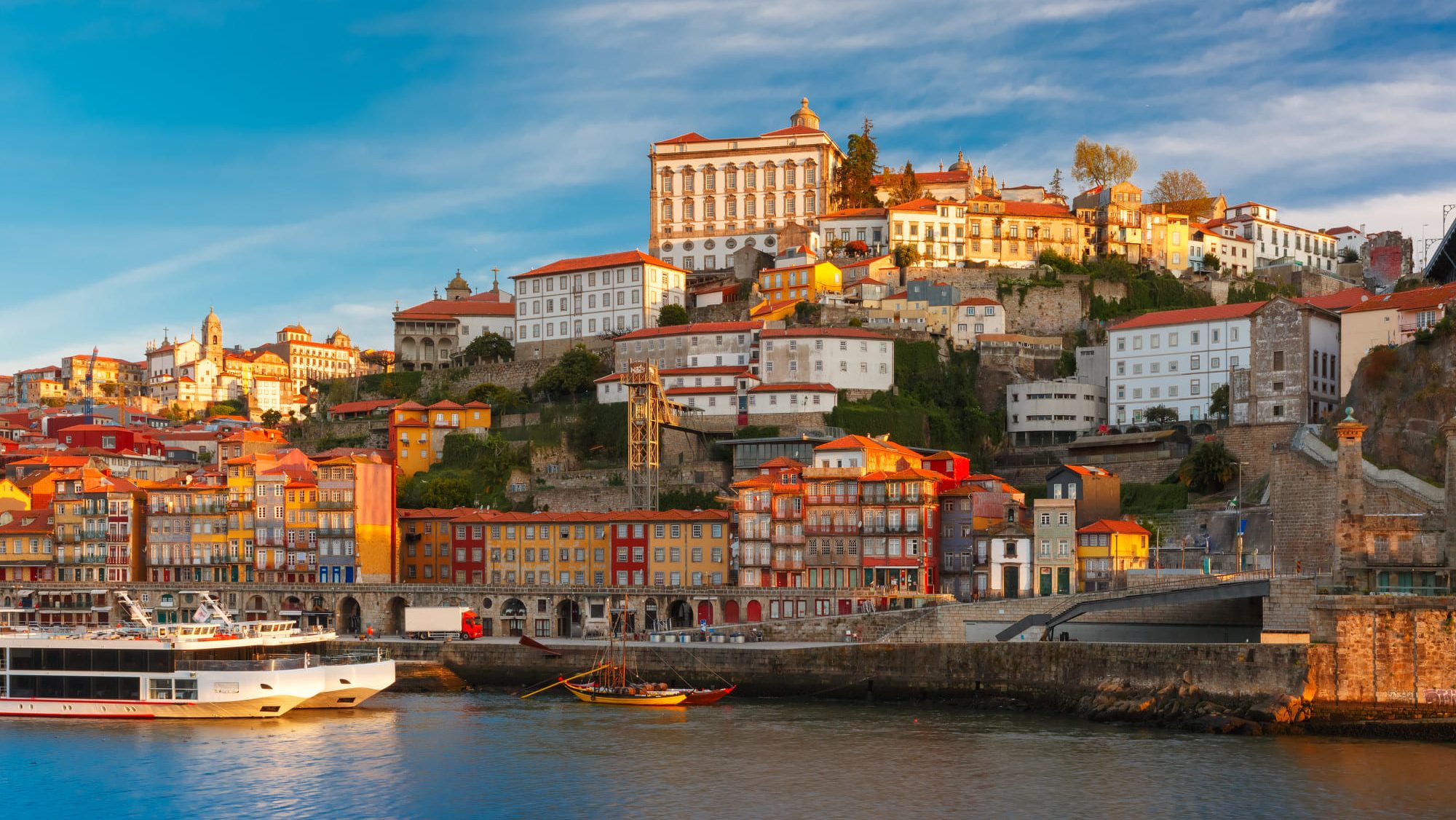
Portugal remains one of Europe’s strongest shoulder-season destinations. Cities like Lisbon and Porto retain their charm year-round, while hotel prices become significantly more attractive outside summer.
- Óbidos — a medieval walled town ideal for slow travel and photography
- Douro Valley — quieter vineyard stays with winter wine tastings
- Comporta — a luxury coastal escape often compared to the Hamptons
- Azenhas do Mar — a hidden cliffside village near Sintra
Experiences clients can enjoy:
- Douro Valley wine tours from €95–€150
- Traditional Fado dinner experiences in Lisbon from €45
- Surf lessons in Ericeira from €30–€50
- Scenic tram and food tours in Porto from €60
How Agents Should Position It
- Position Portugal as a “slow luxury Europe” destination
- Sell it as a crowd-free alternative to Spain and Italy
- Focus on gastronomy, wine culture, and scenic rail journeys
- Ideal for clients wanting Europe without peak-season chaos
Best For
Couples, culture-focused travelers, and food enthusiasts.
2. Japan (February & June)
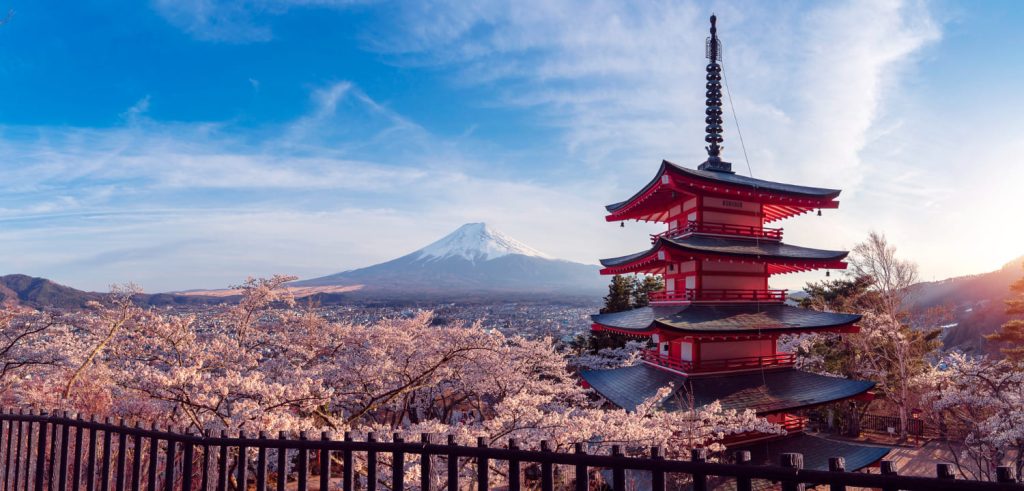
Japan’s quieter travel periods offer some of the country’s most unique seasonal experiences, especially for travelers who have already visited during cherry blossom season. February is ideal for winter culture beyond skiing. Hokkaido’s Sapporo Snow Festival transforms the city into a giant ice-art showcase, while destinations like Ginzan Onsen offer cinematic snow-covered ryokan experiences.
Average activity pricing:
- Ryokan stays with kaiseki dinner: ¥18,000–¥40,000 per night
- TeamLab Borderless Tokyo tickets: approx. ¥3,800–¥4,800
- Bullet train Tokyo–Kyoto: approx. ¥14,000 one way
- Guided food tours in Osaka: ¥8,000–¥15,000
How Agents Should Position It
- Sell Japan as a “seasonal immersion” destination, not just cherry blossoms
- Position June as Japan’s hidden luxury window with lower hotel pricing
- Focus on wellness, onsen culture, and experiential stays
- Perfect for repeat Japan travelers seeking deeper cultural experiences
Best For
Luxury travelers, culture seekers, honeymooners, and premium FIT clients.
3. Morocco (June to August)
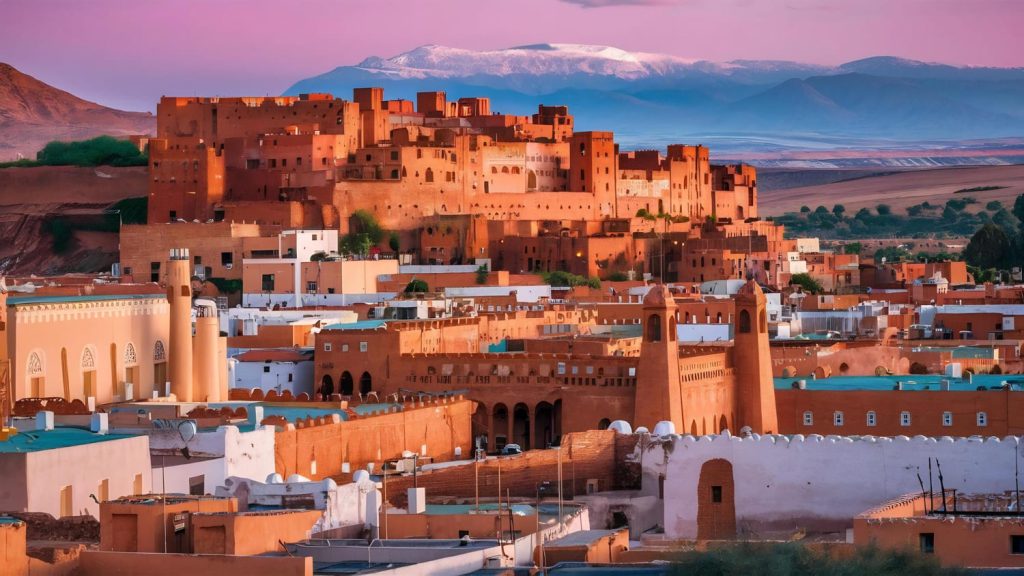
While Marrakech experiences intense summer heat, Morocco’s Atlantic coast becomes one of North Africa’s best-kept summer secrets. Coastal towns stay surprisingly comfortable thanks to strong ocean breezes, creating an entirely different Morocco experience.
Instead of only selling Marrakech, agents should focus on:
- Essaouira — a bohemian coastal town known for seafood, art galleries, and surfing
- Asilah — a whitewashed artistic seaside town
- Taghazout — Morocco’s growing surf and wellness destination
- Oualidia — a lagoon-side luxury escape famous for oysters
Luxury riads and boutique stays become far more affordable during summer, often dropping by 30–50%.
How Agents Should Position It
- Position Morocco as a coastal summer escape rather than a desert holiday
- Focus on boutique riads, wellness stays, and design-led travel
- Sell the destination as experiential luxury at a better value
- Ideal for clients wanting culture without overcrowded European hotspots
Best For
Luxury travelers, creatives, couples, and experiential travellers.
4. Greek Islands (October & November)
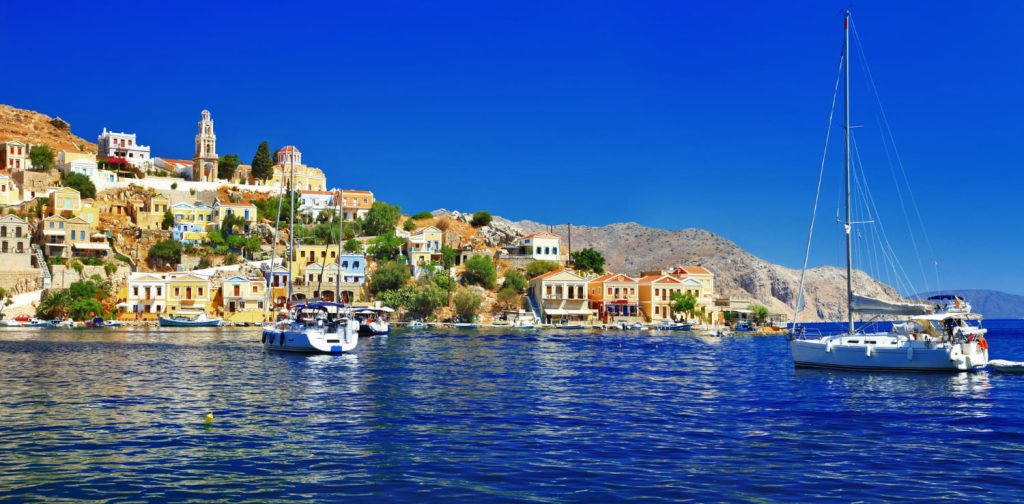
The Greek Islands become dramatically more authentic after September. Cruise crowds disappear, temperatures remain pleasant, and island life slows into a more local rhythm.
While Santorini and Mykonos still work well in early October, agents should also consider:
- Naxos — ideal for food and village experiences
- Milos — known for hidden coves and dramatic landscapes
- Syros — a more authentic Cycladic island with elegant architecture
- Hydra — car-free and perfect for luxury slow travel
Many luxury hotels continue offering reduced shoulder-season rates while restaurants become easier to access without reservations.
Experiences travelers can enjoy:
- Catamaran sunset cruises from €70–€120
- Winery tours in Santorini from €60
- Guided hiking tours in Naxos from €45
- Cooking classes with local families from €80
How Agents Should Position It
- Sell the islands as a quieter, more authentic Greece experience
- Position autumn as the best season for photography and slow travel
- Focus on boutique stays, sailing, food, and village culture
- Great alternative for honeymooners avoiding peak-season pricing
Best For
Honeymooners, couples, photographers, and luxury travelers.
5. Sri Lanka (May to September)
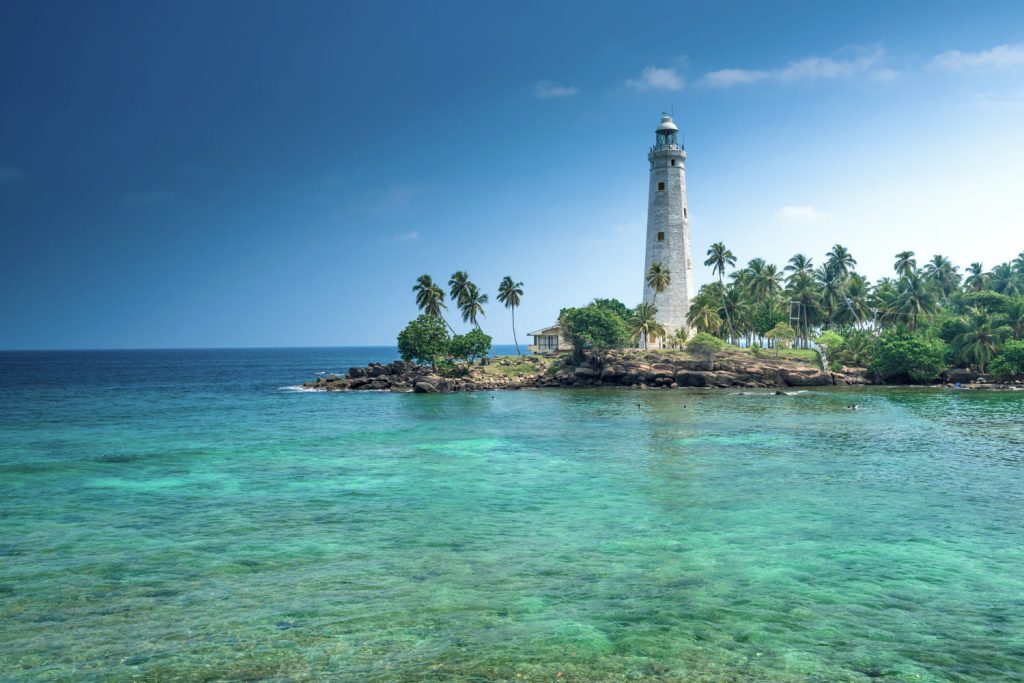
Most travelers assume Sri Lanka experiences one nationwide monsoon season. In reality, the east coast shines during European summer months, creating a strong opportunity for agents who understand the country’s dual-season climate pattern.
Instead of the crowded southern beaches, agents should focus on:
- Arugam Bay — one of Asia’s top surf destinations
- Trincomalee — known for calm beaches and whale watching
- Pasikudah — ideal for shallow-water luxury beach stays
- Gal Oya National Park — one of Sri Lanka’s least crowded wildlife regions
This period also offers stronger value across boutique resorts and wildlife lodges.
Experiences and pricing:
- Surf lessons in Arugam Bay from $20–$40
- Whale watching in Trincomalee from $45–$70
- National park safaris from $50–$120
- Train journeys from Kandy to Ella from under $15 for reserved seating
How Agents Should Position It
- Position Sri Lanka as a “two-season destination” with year-round sellability
- Focus on surfing, wildlife, and emerging luxury beach stays
- Sell east coast Sri Lanka as a less-commercial alternative to Bali or Phuket
- Highlight multi-experience itineraries combining beaches, safaris, and train journeys
Best For
Adventure travelers, surfers, wildlife enthusiasts, and younger premium travelers.
Final Thoughts
The future of smarter travel selling lies beyond peak-season itineraries. Agents who understand how to position off-season destinations correctly can unlock better hotel value, more unique experiences, and stronger client satisfaction.
Instead of selling crowded hotspots at their busiest, focus on building thoughtfully timed itineraries around quieter seasons, hidden regions, and experience-led travel. Whether it’s coastal Morocco in summer, Greece in autumn, or Japan beyond cherry blossom season, off-season travel creates opportunities for agents to stand out with more strategic, destination-led recommendations.
👉 Explore Off-Season Hotel Deals on TBO Now
FAQs
1. How do I convince clients to travel in the off-season?
Lead with the experience, not the price. Focus on the specific benefits — fewer crowds, better access to top hotels and restaurants, more authentic local experiences — and back your recommendation with concrete data on weather and conditions.
2. Are there destinations where the off-season is genuinely as good as peak season?
Yes — several. Portugal, the Greek Islands in October, Sri Lanka’s east coast in summer, and Japan in June all deliver experiences that many seasoned travelers actively prefer over peak season.
3.How do I protect my clients if off-season conditions are worse than expected?
Comprehensive travel insurance is non-negotiable for off-season travel recommendations. Additionally, be transparent with clients about any genuine weather risks, and build itineraries with flexibility — free days, backup indoor options, and routing that avoids the riskiest weather windows.
4. How much cheaper is off-season travel, typically?
Savings vary significantly by destination and travel category, but shoulder-season hotel rates in Europe typically run 20–40% below peak-season pricing.
5. What is the difference between off-season and shoulder season?
Shoulder season refers to the periods immediately before and after peak season — typically offering good conditions with lower prices and fewer visitors. Off-season refers to the destination’s lowest-demand period, which may involve more significant weather trade-offs but also the steepest value.
