



Virginia is one of the easiest US states to sell as a single, self-contained itinerary. You get mountains, wine country, a working colonial-era town, a naval coastline and a capital city, all within a week and all reachable by car. No internal flights, no complicated logistics, just one loop that starts and ends near a major international gateway.
This 7-day Virginia road trip itinerary is built for exactly that pitch. Every stop below can be packaged with hotel stays, private transfers, and skip-the-line attraction tickets through TBO, so you can move straight from “here’s the plan” to “here’s the booking link” in the same client call.
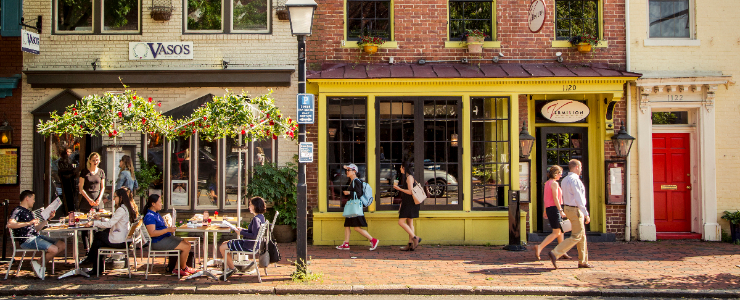
Quick answer: How many days do you need in Virginia? Seven days is enough to comfortably cover Virginia’s four signature experiences, mountains, wine country, colonial history and coastline, without rushing. Five days work if you drop either Shenandoah or Virginia Beach. Ten to fourteen days suits clients who want to slow down and add smaller towns along the way.
Virginia Road Trip Itinerary at a Glance
- Day 1: Washington D.C. gateway to Arlington and Alexandria
- Day 2: Shenandoah National Park and Skyline Drive
- Day 3: Charlottesville and Virginia wine country
- Day 4: Richmond
- Day 5–6: The Historic Triangle, Williamsburg, Jamestown and Yorktown
- Day 7: Virginia Beach, fly out from Norfolk
This route runs west to east, so clients are never backtracking, and each overnight stop is under a two-and-a-half-hour drive from the last.
Day 1: Arrival, Arlington and Alexandria
Most international clients booking through TBO will land at Washington Dulles or Reagan National, which makes Northern Virginia the natural start point for this itinerary.

Morning: Arlington National Cemetery, including the Tomb of the Unknown Soldier changing of the guard. Afternoon: Old Town Alexandria, a walkable, cobblestoned riverfront district with boutique shopping and waterfront dining. Overnight: Alexandria.
This is a light first day by design. Clients are usually still adjusting after a long-haul flight, and Alexandria’s compact, walkable core means no further driving is needed once they’ve checked in. Agents can pre-book the arrival transfer and Alexandria hotel as a single TBO package, which is often the easiest add-on to close at the point of sale.
Day 2: Shenandoah National Park and Skyline Drive
Drive time from Alexandria: roughly 1.5 hours to the park’s northern entrance.
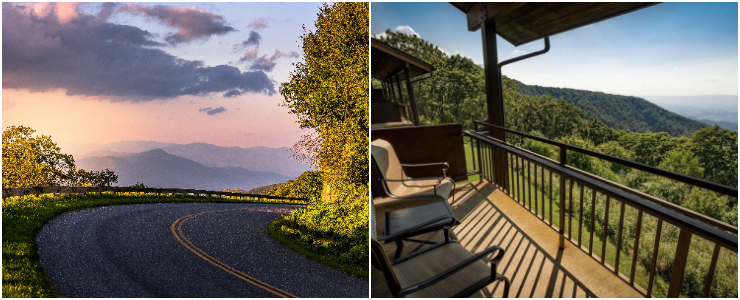
Skyline Drive runs 105 miles along the crest of the Blue Ridge Mountains, with more than 75 scenic overlooks. Clients don’t need to be hikers to enjoy this day; the drive itself is the attraction, though Dark Hollow Falls is a short, manageable trail worth flagging for anyone who wants to get out of the car.
Highlights: Skyline Drive overlooks, Dark Hollow Falls, Luray Caverns nearby for clients who want a half-day detour underground. Overnight: Luray or Front Royal.
Fall foliage season, generally peaking from mid-October into early November depending on elevation and weather, is the single highest-demand window for this leg. If a client is booking for that period, flag it early since lodging near the park fills months in advance.
Day 3: Charlottesville and Virginia Wine Country
Drive time from Luray: about 1.5 hours south.
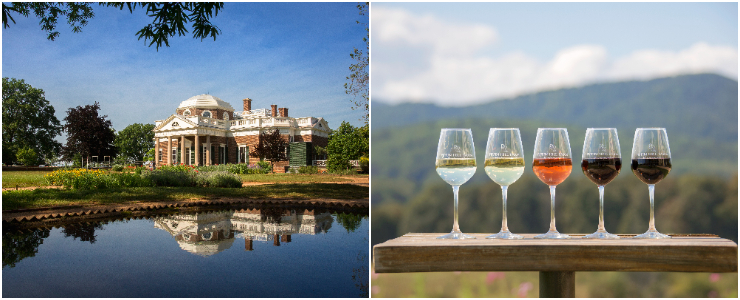
Charlottesville pairs two very different sells in one day: American history and wine tourism, which makes it one of the strongest upsell stops on the whole route.
Morning: Monticello, Thomas Jefferson’s home, followed by a walk through the University of Virginia’s historic grounds. Afternoon: A wine tasting circuit through the Monticello Wine Trail, a designated American Viticultural Area (AVA) and one of Virginia’s established wine regions. Overnight: Charlottesville.
For clients travelling as couples or on an anniversary trip, this is the day to package a private vineyard tour or a winery lunch through TBO rather than leaving it as a suggestion. It can be a strong premium add-on for this type of itinerary.
Day 4: Richmond
Drive time from Charlottesville: about 1 hour east.

Richmond is Virginia’s capital and its most underrated stop; most first-time visitors don’t expect a city with this much street art, food and museum density packed into a walkable downtown.
Highlights: Virginia Museum of Fine Arts (free general admission), the RVA Street Art Trail, and Belle Isle for a walk along the James River. Overnight: Richmond.
Richmond also works well as a standalone weekend sell for domestic short-break clients, so it’s worth keeping a separate one- or two-night package in your TBO listings, not just as a stop within the longer itinerary.
Day 5–6: The Historic Triangle, Williamsburg, Jamestown and Yorktown
Drive time from Richmond: about 50 minutes.

This is the itinerary’s anchor and usually the reason clients booked a Virginia trip in the first place. Two full days lets clients cover all three sites without feeling rushed.
Day 5: Colonial Williamsburg, a living-history town where costumed interpreters recreate 18th-century daily life across more than 300 acres.
Day 6: Historic Jamestowne, the site of the first permanent English settlement in America, followed by the Yorktown Battlefield, where the Revolutionary War reached its decisive final major battle. Overnight: Williamsburg, both nights.
Because all three sites sit within a 25-minute drive of each other, this is one of the easiest legs to bundle as a combined sightseeing pass through TBO, and one of the highest-converting add-ons for clients travelling with school-age children.
Day 7: Virginia Beach
Drive time from Williamsburg: about 50 minutes.
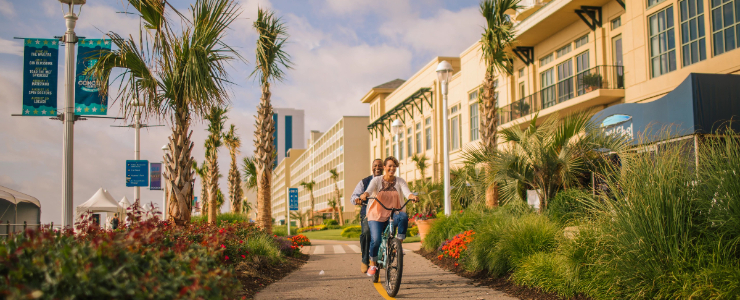
The itinerary closes on the coast, giving clients a half or full day to unwind before departure.
Highlights: The Virginia Beach Boardwalk, fresh seafood along the oceanfront, and the world’s largest naval station, for clients interested in naval history and maritime experiences. Departure: Norfolk International Airport, or a 3-hour drive back to Washington D.C. if the client’s return flight is from there.
Ending in Virginia Beach instead of driving back to Washington, D.C. saves time and makes Norfolk a convenient departure point for clients flying home.
Best Time to Sell This Itinerary
Late spring (April to June) and early fall (September to mid-October) are the strongest windows. Spring brings mild hiking weather and blooming wine country; fall brings foliage season on Skyline Drive, which can be particularly scenic during peak fall color. Summer works well for clients prioritising Virginia Beach and Busch Gardens but expect higher humidity inland and higher lodging rates across the Historic Triangle.
Who This Itinerary Works Best For
- Multi-generational families: the Historic Triangle and Virginia Beach legs are built for kids and grandparents alike.
- History-focused travellers: Days 3 through 6 form a near-continuous line through American history, from Jefferson to the Revolutionary War.
- Couples and anniversary trips: Charlottesville’s wine country is the natural place to upsell a private experience.
Booking This Itinerary Through TBO
Every stop in this itinerary, hotels, private transfers, attraction tickets and winery experiences, can be sourced and packaged through TBO’s supplier network. For agents, that means this isn’t just a content piece to send clients for inspiration, it’s a sellable structure: build the package leg by leg in TBO or use it as a base itinerary to customise per client, adding extra nights in Richmond or Charlottesville where there’s clear upsell interest.
If you’re building this out for a client now, start with the Historic Triangle and Charlottesville legs; they’re the highest-converting parts of the itinerary and the easiest to bundle with premium add-ons.
FAQs
Is 7 days enough to see Virginia?
Yes, for a first-time visit. Seven days covers the state’s four core experiences, mountains, wine country, colonial history and coastline, at a comfortable pace. Clients wanting a slower trip or additional small towns should look at a 10 to 14 day version.
What is the best route for a Virginia road trip?
A west-to-east loop starting near Washington D.C., moving through Shenandoah, Charlottesville and Richmond, then finishing at the Historic Triangle and Virginia Beach, avoids backtracking and keeps every drive leg under two and a half hours.
Do you need a car to do this itinerary?
Yes. Public transport between these regions is limited, and a private vehicle or chauffeur-driven transfer is the only practical way to cover all six stops. Transfers for each leg can be arranged through TBO alongside the hotel bookings.
What’s the best time of year for a Virginia road trip?
Late spring and early fall offer the best weather and scenery, particularly fall foliage season on Skyline Drive from mid-October into early November, depending on elevation and weather. Summer suits beach-focused itineraries but comes with higher inland humidity.
Can this itinerary be shortened to 5 days?
Yes. With a tighter pace, the itinerary can be compressed to 5 days by removing the Shenandoah overnight and shortening the Richmond or Virginia Beach stays while keeping the Historic Triangle and Charlottesville.
