



There’s a moment every first-time visitor to Washington, DC has walking up out of the Metro, turning a corner and suddenly finding the Capitol dome or Washington Monument standing right there, impossibly large against the sky. Few cities put this much history within arm’s reach. Fewer still let visitors experience so much of it for free.
And DC is giving travelers even more reasons to return. 2026 has brought a wave of major openings, museum renovations and landmark experiences, coinciding with America’s 250th anniversary. From the newly completed transformation of the National Air and Space Museum to the new National Geographic Museum of Exploration, there’s plenty beyond the classic monuments to build into a Washington DC itinerary.
For travel agents, that means one thing: DC is not a one-day monument stop. Here’s how to plan it as a fuller, more rewarding stay.
What’s New in Washington, DC
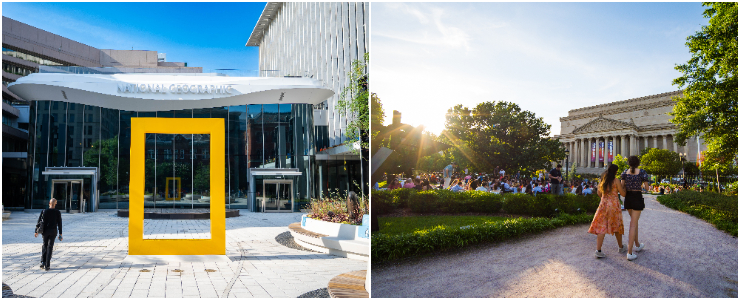
If your clients have been to DC before, 2026 gives you plenty of reasons to sell it again.
- National Air and Space Museum: The Smithsonian landmark opened five new galleries on July 1, 2026, as part of its multi-year transformation. Two more renovated galleries are scheduled to open in fall 2026.
- National Geographic Museum of Exploration: Opened in June 2026 in downtown DC, this new attraction combines immersive exhibitions, storytelling, exploration, and interactive experiences that reveal the wildlife, landscapes, communities that make up our planet.
- Hirshhorn Sculpture Garden: The Smithsonian’s modern-art museum is scheduled to reopen its revitalized sculpture garden in fall 2026 following a major three-year transformation.
Agent tip: For repeat visitors, lead with these new experiences rather than selling DC as “monuments and museums.”
Best Time to Visit Washington, DC
There’s no bad season for DC, but the right one depends on what your client wants from the trip.

- Spring | Late March–April: Cherry blossom season turns the Tidal Basin into the city’s most photogenic corner. It is also one of the busiest periods, so accommodation and key experiences should be secured early.
- Summer | June–August: Warm, energetic and packed with events. Enjoy patio dining, rent kayaks along the waterfronts or experience a baseball game
- Fall | September–October: A mix of crisp weather, vibrant autumn foliage, and a busy calendar of cultural festivals such as after-hours events held at the National Gallery of Art featuring live performances and art activities.
- Winter | November–February: Quieter and often better value, with museums, galleries, restaurants and seasonal events providing plenty to do indoors.
Best overall bet: September–October for comfortable sightseeing and a more relaxed pace.
How Long Should Clients Stay in Washington, DC?
The biggest mistake is treating DC as a one-day stop.
- 2–3 days: Ideal for a first-time visitor, combine monuments, Smithsonian museums and neighborhoods; the highlights of the city.
- 4–5 days: Visit the major attractions plus have time to take in the beautiful waterfronts, vibrant food scene and seasonal events
- 6–7 days: Ideal for slower travel, families, repeat visitors or clients combining DC with Virginia and Maryland.
Agent tip: Stay a minimum of 3 nights in Washington, DC to maximize savings and experience the world class attractions.
Getting to Washington, DC
Washington DC is served by three major airports:
- Washington Dulles International Airport (IAD): The key gateway for many international travelers.
- Ronald Reagan Washington National Airport (DCA): The most convenient option for domestic connections and access to central DC.
- Baltimore/Washington International Thurgood Marshall Airport (BWI): Another option to consider when airfare or routing makes it worthwhile.
For clients travelling along the East Coast the Amtrak train is the most efficient way to get from city to city. For example, DC is only 3hrs by train from New York City.
Once clients arrive, a rental car usually isn’t necessary for a city stay.
Why?
- DC’s Metro connects many of the major attractions and neighborhoods.
- The National Mall is best explored on foot.
- Parking can be expensive and inconvenient around central attractions.
- A car becomes more useful when adding destinations such as Mount Vernon or Old Town Alexandria.
Agent tip: For a city-only itinerary, build transfers around airport-to-hotel transportation and use Metro, walking and occasional taxis/rideshares within the city.
Things to Do in Washington, DC: The Essentials
1. See the Monuments and Memorials
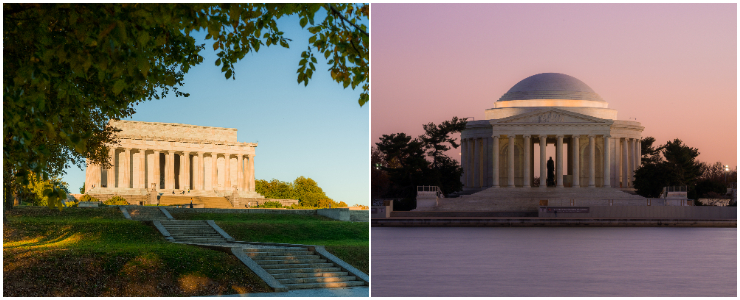
This is the DC everyone comes to see, and it deserves its place on the itinerary.
Don’t just tick them off during the day. Recommend an evening visit too, when the monuments are illuminated and the National Mall takes on a completely different atmosphere.
Must-see stops:
- Lincoln Memorial
- Washington Monument
- Jefferson Memorial
- Martin Luther King Jr. Memorial
- World War II Memorial
- Vietnam Veterans Memorial
Agent tip: A guided tour of the monuments and memorials will give your clients an immersive and interactive experience of the National Mall.
2. Build a Smithsonian Day
Washington DC’s museums are one of the city’s biggest selling points, particularly for families and culture-focused travelers.
Popular choices include:
National Air and Space Museum
- National Museum of Natural History
- National Museum of American History
- National Museum of African American History and Culture
- National Zoo
All Smithsonian museums offer free admission, although some attractions require timed entry passes or advance planning.
Don’t miss in 2026: The newly transformed National Air and Space Museum, which opened five new galleries in July as part of its multi-year renovation.
Agent tip: Encourage clients to pick two or three museums based on the their interests and build the rest of the day around the surrounding neighborhood.
3. Visit the Seats of Power
The White House and the U.S. Capitol are among Washington’s most recognizable landmarks.
The White House is not open to visitors, however The People’s House: A White House Experience is the best alternative. This museum is free and contains cutting-edge exhibits, hands-on displays, and exclusive insights.
The U.S Capitol has free tours that run every day except Sundays from 8:30 AM – 3:30PM.
For first-time visitors: Reserve passes for both the People’s House and Capitol tours to ensure your clients don’t miss out.
4. Spend an Afternoon in Georgetown
Georgetown gives clients a very different side of DC.
Think:
- Historic cobblestone streets
- Waterfront views
- Boutique shopping
- Independent restaurants and cafés
- Georgetown University
- Waterfront dining and evening strolls
It is an easy way to break up a monument-heavy itinerary and works particularly well for couples, families, and repeat visitors.
5. Sell the Food Scene
DC’s dining scene deserves more than a line item on the itinerary.
The city offers an unusually diverse culinary landscape, with Ethiopian, Salvadoran, Vietnamese, Middle Eastern and other international influences alongside contemporary American dining and fine-dining destinations.
Home to 21 Michelin Star restaurants, DC is a haven for foodies, but make sure clients lock in a reservation at least 1 month ahead.
Agent tip: Add a food tour for clients who want to try a variety of local and international flavors.
Washington, DC After Dark
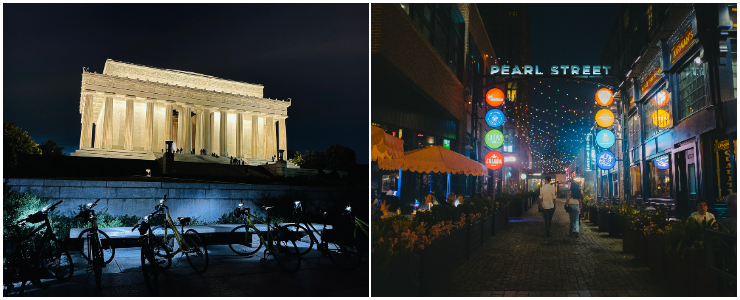
DC doesn’t shut down when the museums do.
An evening itinerary could include:
- Illuminated Monuments tour
- Dinner at The Wharf
- Rooftop drinks at VUE
- Live music and performances
- Evening museum or cultural programming, where available
The smart sell: Give clients at least one evening that isn’t tied to sightseeing. DC’s atmosphere after dark is part of the experience.
Easy Day Trips from Washington, DC
One of DC’s biggest advantages for itinerary planning is how easily the city connects to nearby destinations.
Mount Vernon
George Washington’s historic estate sits on the Potomac and makes a strong addition for history enthusiasts and families. Its mansion reopened after a major $40 million revitalization in December 2025.
Old Town Alexandria
Just across the Potomac, Old Town Alexandria brings cobblestone streets, historic architecture, waterfront walks and independent shops into the itinerary.
Agent tip: Pair Mount Vernon + Old Town Alexandria for a full-day excursion rather than treating either as a quick stop.
Where to Stay in Washington, DC
Choosing the right neighborhood can make a big difference to experience.
| Area | Best for |
| National Mall | First-time visitors, sightseeing-heavy itineraries |
| Downtown | Dining, bars and entertainment |
| Capitol Hill | History and architecture enthusiasts |
| The Wharf | Waterfront dining, couples and evening experiences |
| Georgetown | Boutique stays, shopping, dining and a more residential feel |
| Dupont Circle | Dining, nightlife and neighborhood atmosphere |
Agent tip: Prioritise proximity to a Metro station and the client’s key sightseeing areas when selecting a hotel. This can make moving around the city significantly easier.
Washington, DC Itinerary Ideas for Travel Agents
Instead of selling the same itinerary to every client, build the trip around the traveler. All itineraries should start with a city tour around the monuments and memorials (National Mall).
For first-time visitors
- Smithsonian museum/s of choice
- Dinner cruise or water taxi
- Monuments by moonlight tour or walk through
- Neighborhood highlight – Georgetown
For families
- Air and Space Museum
- International Spy Museum
- Baseball or basketball game (depending on season)
- Neighborhood highlight – the Wharf
For history buffs
- U.S. Capitol Tour
- National Archives
- Museum of African American History and Culture
- Neighborhood highlight – U St
For repeat visitors
- Walking tour of a neighborhood
- National Arboretum
- National Geographic Museum of Exploration
- Neighborhood highlight – Dupont Circle
This approach makes the destination easier to sell because the itinerary starts with who the traveler is, rather than simply listing attractions.
Practical Things to Know Before Clients Travel
- Currency: US Dollar (USD); cards are widely accepted.
- Getting around: Metro and walking work well for most city itineraries.
- Weather: Summers can be hot and humid; spring and fall are generally comfortable for sightseeing.
- Security: Allow extra time for screening at government buildings and some major attractions.
- Tickets: Check timed entry and reservation requirements before confirming the itinerary.
- Walking: The National Mall is larger than it looks. Comfortable footwear is essential.
- Planning: Popular attractions, hotels, and peak-season dates should be booked well ahead.
Why Washington, DC Works So Well for Travel Agents
Washington DC is unusually easy to customize.
You can build a short city break around the monuments, stretch it into a four-night cultural holiday, add a family-friendly museum trail, turn it into a history-focused itinerary, or use it as the starting point for a wider East Coast journey.
Booking Washington, DC Made Easier
For travel agents, the challenge isn’t convincing clients that Washington DC is worth visiting. It’s putting together all the moving pieces without making the booking process complicated.
TBO can help agents bring together hotel stays, transfers, activities and excursions in one booking journey, making it easier to build a Washington DC itinerary around the client’s interests, budget and length of stay.
The result? Less time juggling suppliers and more time creating a trip that feels genuinely tailored to the traveller.
Because Washington, DC isn’t just a city to tick off. It’s a city worth staying for.
