



While the rest of the Middle East struggles as a summer sell, Oman’s Dhofar region runs entirely counter season. From late June through early September, the Khareef monsoon transforms Salalah into a landscape of mist-covered mountains, active waterfalls, and cool, green terrain, a proposition that is genuinely rare in this geography.
For travel agents seeking alternatives to the overcrowded European summer circuit, Salalah during Khareef is a high-value differentiator: accessible, culturally rich, climatically unique, and within short-haul range of GCC source markets. Clients who have exhausted Bali and Sri Lanka are your core audience, but so are GCC-based families, luxury couples, and adventure-oriented FITs looking for something beyond the standard summer itinerary.
Key Sellable Attractions – What to Build Into Your Packages
1. Wadi Darbat – The Hero Experience
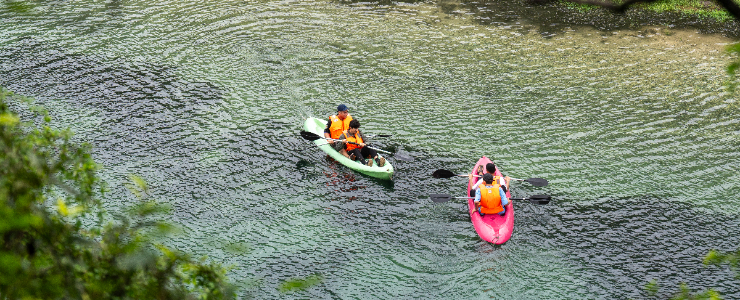
This is your lead visual and anchor experience. A dry valley through most of the year, Wadi Darbat becomes a flowing landscape of cascading waterfalls, green meadows, and natural pools during Khareef. Seasonal boating and kayaking on the lake, misty hiking trails with panoramic viewpoints, and free-roaming camels against a green hillside — it photographs exceptionally well and sells itself.
Trade Note: Position this as the centerpiece of any Salalah itinerary. It is the experience clients will reference most when recommending Oman to others, making it your strongest driver of word-of-mouth referrals.
2. Al Baleed Archaeological Park – Culture and UNESCO Credibility
A UNESCO World Heritage Site, Al Baleed gives Salalah genuine cultural weight that extends the destination’s appeal well beyond nature tourism. The Frankincense Land Museum offers well-curated content on Oman’s ancient maritime trade history, and the open-air ruins — city walls, mosques, warehouses — sit beside the ocean. During Khareef, rolling sea fog creates an atmospheric quality that clients rarely expect from an Arabian destination.
Trade Note: Useful for positioning Oman beyond the “desert and dunes” default. Strong appeal to heritage travelers, cultural tourists, and clients who want intellectual depth alongside natural beauty. Pairs cleanly with a waterfront dinner for a full program day.
3. Natural Springs: Ayn Razat, Ayn Athum & Ayn Khor
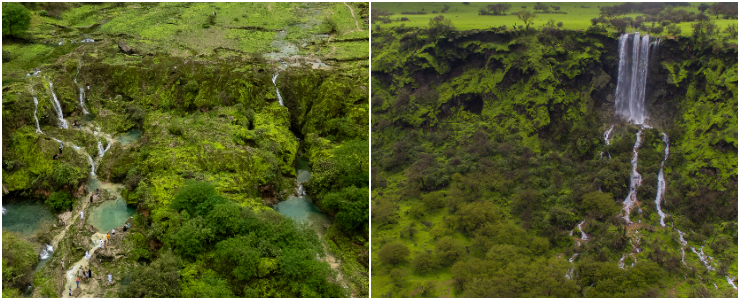
Three distinct spring experiences allow you to tailor the product to different traveler profiles without requiring separate excursion days. Ayn Razat is family-friendly with walking paths, gardens, and shaded picnic areas. Ayn Athum is the dramatic option — water cascading down sheer cliff faces, most spectacular during peak rainfall. Ayn Khor is quieter and more scenic, suited to couples or clients seeking something off the beaten path.
Trade Note: Building all three into a single half-day excursion is straightforward and adds strong perceived value. A practical, high-satisfaction inclusion for all itinerary types.
4. Al Fazayeh Beach – The Unexpected Coastal Product
Salalah is not typically sold as a beach destination, but Al Fazayeh during Khareef challenges that framing confidently. White sand, blue-green water, cliffs draped in monsoon green, and near-zero crowds make this a compelling selling point for clients who want coastal relaxation without peak-season pricing or density. The scenic mountain road en route adds to the journey experience rather than detracting from it.
Trade Note: Works particularly well for honeymooners and couples. The uncrowded, unspoiled quality of the beach is a strong differentiator from more developed coastal destinations in the region.
5. Salalah Tourism Festival – Group and FIT Program Opportunity
Held every August at peak Khareef, this government-organized cultural festival brings together folk performances, artisan markets, Omani street food, and family entertainment across a structured, multi-week program. Frankincense, pottery, traditional textiles, and live music create strong souvenir and experiential value for a broad demographic range.
Trade Note: For group departures, particularly GCC families and cultural travelers, a festival-aligned itinerary provides a ready-made hook and a strong booking conversation starter. Plan arrivals for the first week of August to capture the full programme. The festival also gives agents a concrete, dateable event around which to build urgency in the sales process.
6. Taqah Castle & Coastal Drive – Easy Half-Day Add-On
A compact and convenient addition to any east-of-Salalah excursion. Taqah Castle is a well-preserved museum piece with local artefacts and tribal history that contextualizes the region’s past effectively. The coastal drive during the monsoon season, where green cliffs meet the ocean, makes for compelling in-destination photography and a genuinely scenic transfer experience.
Trade Note: Low planning effort, high client satisfaction. Pairs naturally with a beachside lunch or coffee stop and complement a broader coastal day itinerary. Recommended as a half-day addition rather than a full day standalone.
7. Mughsail Blowholes & Marneef Cave — The Spectacle Sell
Located west of Salalah, Mughsail is the destination’s most visually dramatic attraction. Ocean waves force water through natural rock formations, shooting jets into the air — particularly active and impressive during Khareef swells. Marneef Cave provides a sheltered viewing point directly above the action, and the adjacent beach allows for extended coastal exploration.
Trade Note: A strong candidate for the stand-out “highlight of the trip” moment for first-time Oman visitors. Builds anticipation well in pre-trip communications and delivers reliably on the day. Include it in every Salalah itinerary without exception.
8. Food & Frankincense
Salalah’s everyday character during Khareef contributes meaningfully to the overall client experience. Roadside stalls selling local bananas, papayas, and fresh coconut water; hot Omani Halwa and Shuwa served from neighborhood eateries on misty evenings; frankincense and myrrh markets that reflect Dhofar’s millennia-old trading identity — these moments are frequently what clients describe most vividly when they return.
Trade Note: Brief your ground handlers to build unstructured time into itineraries around the local market areas and mountain viewpoints, particularly at dusk. The experiential texture of Salalah is a genuine product differentiator and requires no additional cost to deliver.
Agent Toolkit: Positioning Salalah Khareef for Summer Bookings
Use these principles when building and presenting Salalah Khareef programs to clients:
- Lead with the Khareef narrative as your headline summer proposition. It is the most distinctive seasonal product available in the regional market and requires minimal explanation to convert a well-traveled client.
- Position the monsoon green landscape and cool temperatures as an antidote to the Gulf summer rather than an alternative to it.
- For GCC-based source markets, the proximity and cultural familiarity of Oman removes the friction that longer-haul summer alternatives carry.
- Target families, couples, and cultural travelers as your primary segments — all three are well-served by the Salalah product.
- Build itineraries of five to seven nights minimum to allow clients to move between Salalah’s key experience zones without feeling rushed.
- Festival-anchored departures in August give you a concrete hook for group bookings and provide natural urgency in the sales conversation.
- Always advise clients to book accommodation eight to ten weeks in advance for August travel.
Book top rated stays with TBO!
Final Thoughts
Salalah’s Khareef season is one of summer’s strongest regional sells, but it rewards agents who move early. Start by securing accommodation allocations for August, build a ready-to-share five or seven-night itinerary template, and identify your GCC-based family and couple clients as priority targets.
Use the Salalah Tourism Festival as your concrete hook for August departures. The destination is established, the infrastructure is solid, and client satisfaction rates are consistently high. Get Salalah Khareef into your summer portfolio now, before your competitors do.
FAQs
What is the Khareef season and why should I include it in my summer portfolio?
The Khareef is the seasonal monsoon that transforms Oman’s Dhofar region between late June and early September. It brings cool temperatures, mist, light rainfall, and lush green landscapes to Salalah, making it one of the few genuinely cool, green summer experiences available.
Which client profiles do Salalah Khareef suit best?
The destination works across GCC-based families seeking a cool nearby escape, couples and honeymooners drawn to misty coastal and mountain scenery, cultural travelers interested in Oman’s frankincense heritage, and adventure-oriented FITs who want hiking, kayaking, and nature-based experiences.
How long should a Salalah Khareef itinerary be?
A five-to-seven-night program is the recommended duration for clients wanting to experience Salalah’s key attractions without feeling rushed.
A five-to-seven-night program is the recommended duration for clients wanting to experience Salalah’s key attractions without feeling rushed.
August is the peak month for greenery, waterfall activity, and the Salalah Tourism Festival. Late June and July offer a quieter experience with building monsoon conditions.
How should I book accommodation for Salalah during Khareef?
Advise clients to book eight to ten weeks in advance for August travel at minimum. Salalah draws significant inbound from Saudi Arabia, the UAE, and Kuwait during peak Khareef, and quality properties, particularly mountain lodges and resort hotels fill, well ahead of the season.
