

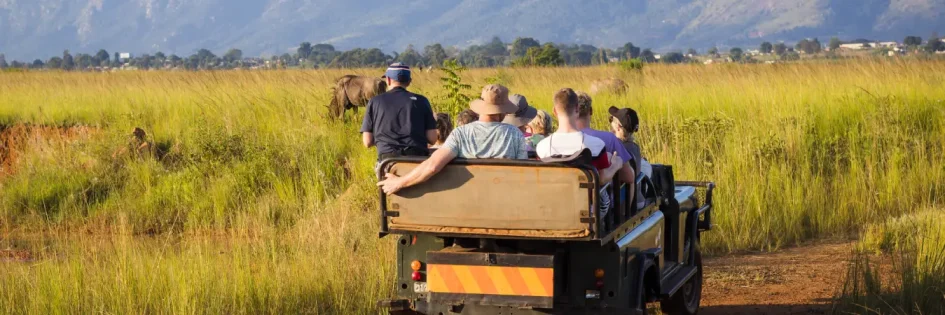

If you’re a travel agent or tour operator, here’s your 2026 briefing and it’s a good one. Wildlife travel is no longer a niche category; it’s a high-demand, high-value segment your clients are actively searching for. From corporate incentive groups seeking extraordinary safari experiences to honeymooners chasing biodiversity hotspots, the brief has never been more varied or more exciting. The world’s wildest destinations, East African savannahs, Borneo’s ancient rainforests, the Galápagos are delivering extraordinary returns for agents who know how to sell them right. Here’s your complete destination toolkit for crafting standout wildlife and nature travel itineraries in 2026.
Why Wildlife Travel Is Booming in 2026
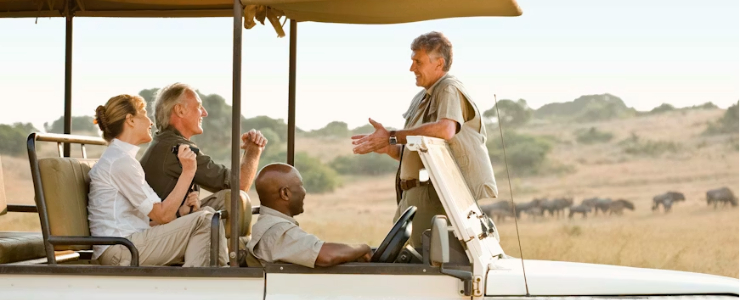
The global eco-tourism market is projected to surpass $600 billion by 2030, and wildlife tourism is one of its fastest-growing pillars. Several converging forces are driving this surge right now. First, a generational shift:
- Millennial and Gen Z travelers are now the dominant booking demographic, and they prioritize experience-led travel and conservation values above all else.
- Second, the rise of the solo nature traveler — a fast-growing client profile actively seeking small-group safari itineraries and guided biodiversity expeditions.
- Third, the corporate travel rebound has brought demand for incentive safari packages to an all-time high — nothing rewards a top-performing sales team quite like a Serengeti sundowner.
For travel agents and tour operators, wildlife and nature travel in 2026 represents one of the strongest upsell and margin opportunities in the entire portfolio. The segment sells on emotion, storytelling, and exclusivity — three things great agents do naturally.
Africa’s Safari Circuit: Still the Gold Standard
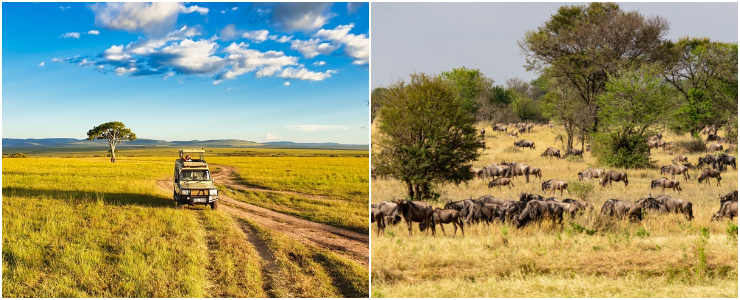
For agents building premium wildlife itineraries, East Africa is the bedrock. It’s aspirational, it’s iconic, and it converts browsers into bookers faster than almost any other destination.
The Serengeti, Tanzania anchors every serious African safari portfolio. The Great Wildebeest Migration involves around 1.5 to 2 million animals moving across the Serengeti-Mara ecosystem annually. The 2026 migration calendar aligns well with peak booking windows. Pair it with a luxury tented camp stay and you’ve built a product that practically sells itself.
Kenya’s Masai Mara is the natural partner to the Serengeti, delivering peak drama between July and October. River crossing game drives here are among the most photographed safari moments on the planet. Package both destinations into a seamless East Africa combo itinerary for strong booking conversions.
For ultra-premium clients, Botswana’s Okavango Delta is the destination to pitch. This UNESCO World Heritage Site is deliberately low-volume and high-value. Mokoro canoe safaris and private-use concessions make this one of the most exclusive wildlife travel offerings in Africa — and one of the strongest margin products in your B2B toolkit.
Southeast Asia: The Underrated Biodiversity Powerhouse
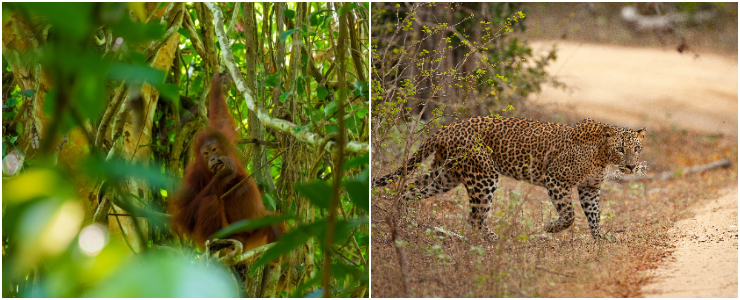
Asia is a significant wildlife travel opportunity that many agents are still under-selling. That gap is worth closing in 2026.
Borneo consistently ranks among the world’s top biodiversity hotspots, and it’s gaining real momentum among experienced nature travelers. Orangutans, pygmy elephants, proboscis monkeys, and clouded leopards make this an extraordinary wildlife brief. The Kinabatangan River in Malaysian Borneo offers wildlife river cruises with near-guaranteed sightings year-round; a strong selling point for clients nervous about wildlife unpredictability. Responsible operators like Sepilok Orangutan Rehabilitation Centre give agents a credible, ethical product to recommend confidently.
Sri Lanka is one of 2026’s strongest emerging safari destinations for trade partners. Yala National Park carries one of the planet’s highest densities of wild leopards, while Minneriya delivers spectacular elephant gatherings. Add Mirissa’s whale watching, and Sri Lanka packages into a diverse, efficient, and highly bookable nature travel itinerary.
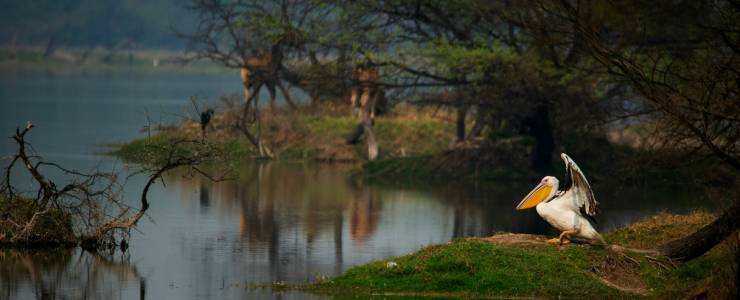
India’s national parks are just another stunning add-on for any itinerary. Bharatpur Bird Sanctuary and Uttarakhand’s Jim Corbett National Park forests paired beautifully with classic India cultural itineraries — offering agents a strong upsell into extended, high-value trips.
Central & South America: Where Rainforests Reign
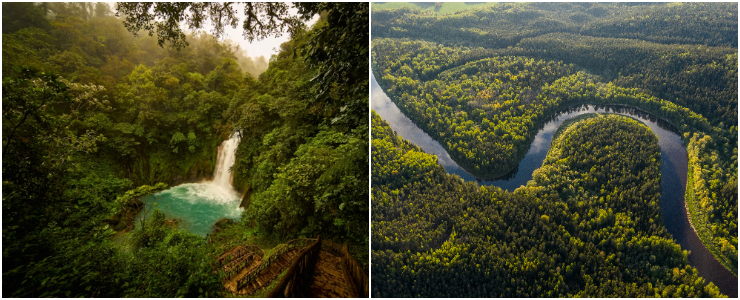
For agents building long-haul nature travel packages, Central and South America offer some of the planet’s most compelling wildlife propositions.
Costa Rica is a perennial performer in eco-tourism sales — and for good reason. It packs nearly 5% of global biodiversity into a compact, easy-to-navigate destination. Cloud forest eco-lodges in Monteverde and the wildlife-rich jungles of Tortuguero translate into itineraries that wow first-timers and repeat travelers alike. Jaguar sightings, sea turtle nesting seasons, and vibrant tropical birdlife give agents plenty of seasonal hooks to market around.
The Amazon Rainforest — spanning Brazil, Peru, Colombia, and beyond — is the world’s ultimate ecological diversity product. Amazon river cruise itineraries through Peru’s Pacaya-Samiria Reserve are growing in demand among premium travelers seeking immersive, small-group biodiversity expeditions. This is a high conviction sell for clients who have already done Africa.
Ecuador’s Galápagos Islands remain one of the most reliable premium wildlife travel closers in any agent’s toolkit. Wildlife encounters here are famously up-close and unhurried — giant tortoises, marine iguanas, and blue-footed boobies deliver guaranteed wow moments. The Galápagos pairs brilliantly with Peru for a powerful South America twin-centre itinerary that commands strong booking value.
Africa’s Hidden Safari Gems for 2026
The well-known parks may anchor your safari portfolio, but these emerging destinations are where smart agents are building differentiation in 2026.
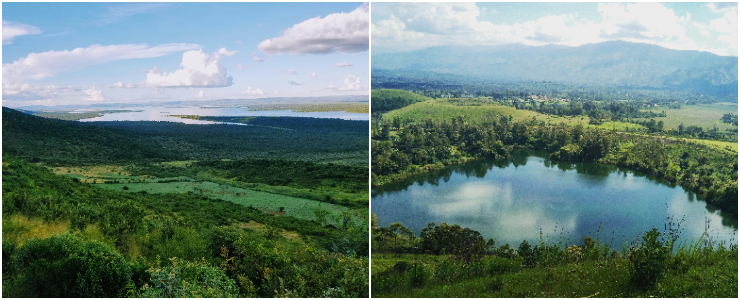
Rwanda and Uganda are delivering some of the most emotionally powerful wildlife experiences available anywhere. Mountain gorilla trekking in Rwanda’s Volcanoes National Park and Uganda’s Bwindi Impenetrable Forest is available nowhere else on Earth. These intimate, small-group encounters are deeply moving — and perpetually oversubscribed. Agents who specialize in gorilla trekking permits are sitting on a genuinely scarce, high-margin product. Secure allocations early and market the exclusivity hard.
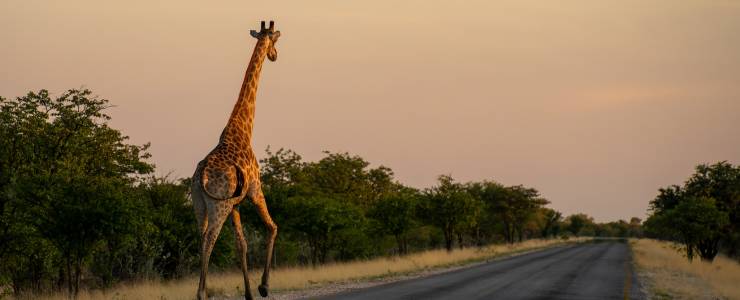
Namibia’s Etosha National Park is a strong addition to any Southern Africa safari itinerary. Dry-season waterhole congregations of lions, elephants, black rhinos, and zebras deliver extraordinary game viewing without the crowds of more famous parks. Pair Etosha with a Namib Desert tour for a visually diverse, strongly differentiated product that stands apart from standard East Africa offerings.
Tips for Travel Agents: Selling Wildlife Travel in 2026
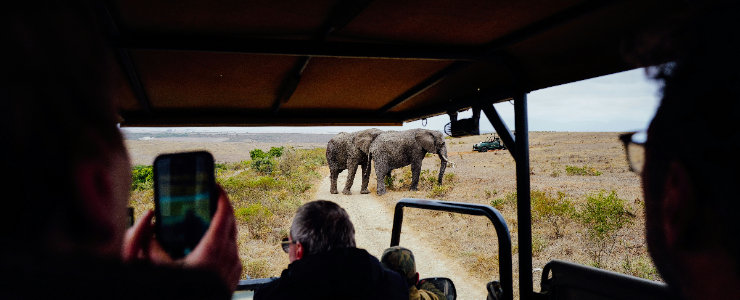
Selling wildlife and nature travel requires more than just listing destinations. Here’s what actually works:
- Lead with storytelling. Share real wildlife encounter moments — clients book emotions, not just itineraries.
- Highlight responsible tourism credentials. Today’s travelers actively seek sustainable wildlife experiences that support local communities and conservation.
- Offer flexibility with seasonality. Wildlife travel is highly seasonal — guide clients toward the optimal time for their chosen destination.
- Bundle experiences smartly. Pair a classic African safari with a gorilla trek or combine the Galápagos with Machu Picchu. Multi-destination itineraries drive higher bookings.
- Educate on what to expect. First-time safari travelers often have unrealistic expectations. Set the scene honestly — it makes for happier clients and glowing reviews.
What to Tell Your Clients: Essential Wildlife Travel Prep

Pre-departure briefing is one of the most valuable services a travel agent can offer on wildlife bookings, and it directly impacts client satisfaction and repeat business. Advise clients to pack neutral-colored clothing for any African game drive, since animals are sensitive to bright colors.
A quality pair of wildlife-watching binoculars and a camera with a reliable zoom lens are non-negotiables. Lightweight, breathable layers suit most safari destinations across seasons. Insect repellent, a wide-brimmed hat, and a refillable water bottle complete the kit. Most importantly: coach clients to follow their guide’s instructions at all times. Well-prepared clients have better experiences — and better experiences drive referrals.
Final Words: Make 2026 Your Most Wild Year Yet
The world’s wildlife destinations have never been more accessible, more vibrant, or more urgently worth visiting. From the Great Migration in Tanzania to gorillas in Rwanda, from the Amazon to the Galápagos, 2026 is brimming with extraordinary nature travel possibilities. Whether you’re building an itinerary for adventure-hungry clients or planning your own great escape, let wildlife lead the way. Because some of the planet’s greatest stories are still being written, and they’re happening in the wild.
Latest Posts
- Summer in Carinthia: Austria’s Sunniest Escape for Lakes, Mountains, and Slow Travel Adventures
- How Travel Advisors Can Sell Digital Detox Travel: Top Destinations to Recommend

- How to Sell Off-Season Destinations Like a Pro

FAQs
Which destinations offer the highest ROI for safari packages?
Kenya, Tanzania, and South Africa consistently deliver strong booking volumes and margins.
What is the best time to sell African safaris?
Peak demand aligns with the Great Migration (July–October), but year-round packages are viable.
Are wildlife itineraries suitable for group travel?
Yes, especially in India and South Africa, where logistics and infrastructure support group departures.
How far in advance should wildlife travel be booked?
Ideally 6–12 months in advance, especially for premium lodges and peak seasons.
What drives conversions in wildlife travel?
Seasonality, exclusivity, accommodation quality, and bundled experiences significantly impact bookings.
