

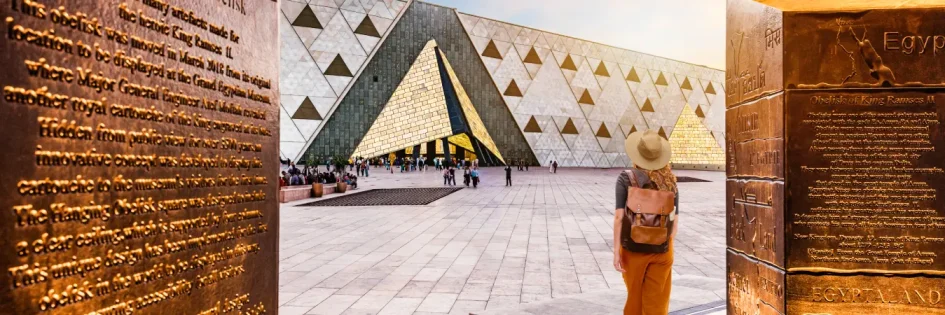

You know that moment in a trip when you realize a destination is far more interesting than you expected? Egypt has that effect on people.
Yes, the pyramids are spectacular. But the memories that we remember often come from unexpected places, like, a music performance at the Cairo Opera House or a late dinner filled with unforgettable Egypt food.
What also makes Egypt stand out is how seamlessly it caters to multi-generational travel. Many experiences—from Nile cruises and private yachting to island-style escapes and cultural outings—are designed to be family-friendly and suitable for all ages, making it an ideal choice for large Indian family groups seeking shared, meaningful journeys.
That dynamic cultural energy is exactly why Egypt is emerging as one of 2026’s most exciting cultural destinations.
1. Cairo Opera House
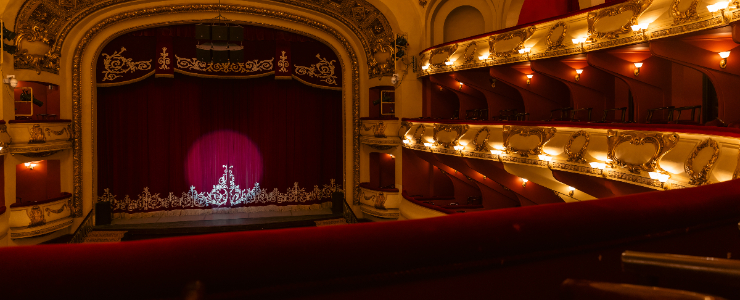
Located in Zamalek, the Cairo Opera House serves as a major hub for artistic talent. Established in 1988, the complex hosts ballet performances, orchestral concerts, theater productions, and film screenings.
Travelers can attend a classical music performance, listen to traditional oud melodies, or enjoy contemporary productions by emerging Egyptian artists. For those interested in music and performing arts, the opera house is an essential cultural experience. Perfect for family with kids.
2. Discover Egypt’s Thriving Art Scene
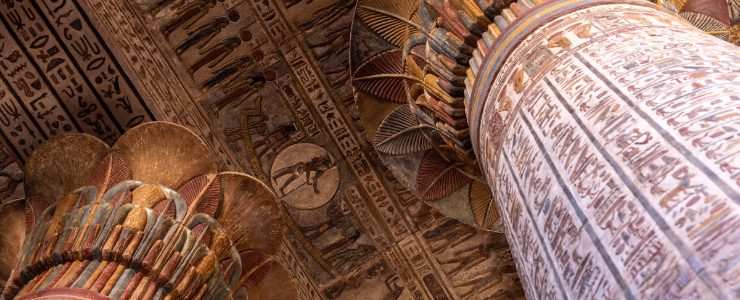
Modern Egyptian art has gained global attention in recent years. Cairo and Alexandria now host a growing number of galleries, exhibitions, and cultural spaces celebrating contemporary creativity.
The island district of Zamalek has become a hub for artists and cultural institutions. Tree-lined streets hide galleries showcasing works from some of the country’s most talented painters, photographers, and sculptors.
Museums dedicated to modern art also play an important role in preserving artistic heritage.
- Museum Of Modern Art
The Egyptian Museum of Modern Art in Cairo houses one of the largest collections of contemporary Egyptian artworks. Visitors can explore paintings, sculptures, caricatures, and installations that reflect the country’s evolving creative voice.
- Alexandria’s Artistic Legacy
The Museum of Fine Arts in Alexandria features more than 1,300 artworks and hosts the renowned Alexandria Biennale for Mediterranean countries. The city itself has long been a cultural crossroads where art, literature, and film flourish.
- The Grand Egyptian Museum (GEM)
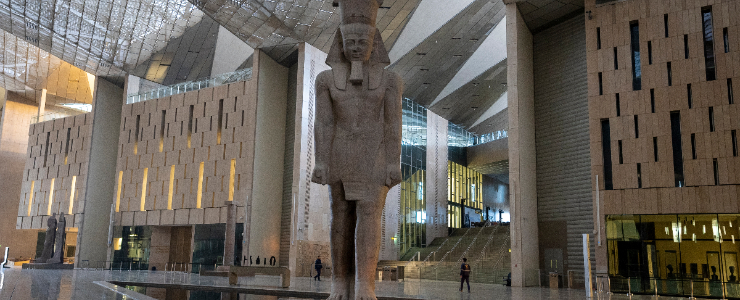
No cultural journey is complete without visiting the Grand Egyptian Museum—a landmark redefining how Egypt’s heritage is experienced. Home to over 100,000 artifacts, including the complete Tutankhamun collection displayed together for the first time, it offers an unmatched, immersive perspective on ancient Egypt.
3. Film, Theater, and Music Festivals

Egypt is often referred to as the Hollywood of the Middle East due to its influential film and theater industries. This rich cultural legacy is also reflected in music, where legendary performers like Um Kalthoum, Abdel Halim Hafez, and composer Omar Khairat continue to remain timeless icons in Middle Eastern musical history.
- Cairo International Film Festival
One of the region’s most prestigious events, the Cairo International Film Festival, gathers filmmakers, actors, and critics from around the world. The festival celebrates global cinema while highlighting emerging Egyptian talent.
- Theater Traditions
Theater has long been an important part of Egypt culture. Productions often combine humor, social commentary, and storytelling.
Venues such as Al-Hanager Arts Center, Al-Gomhouria Theater, and Falaki Theater host performances ranging from comedy to drama. These festivals and performances highlight the creative energy shaping modern Egyptian culture.
4. Egyptian Cuisine: A Cultural Experience
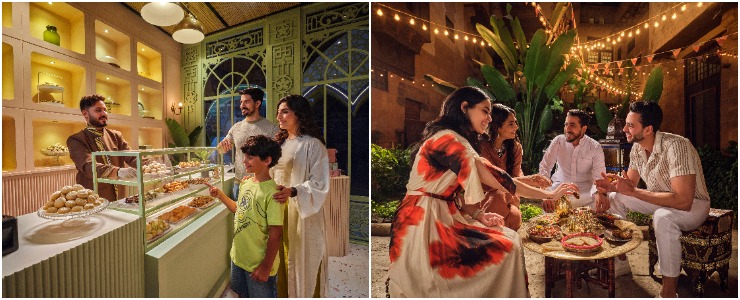
Food is one of the most flavorful ways to experience Egypt culture and traditions.
The diversity of Egyptian food reflects centuries of cultural exchange. Mediterranean, Greek, Arab, and Levantine influences have shaped dishes that are both comforting and vibrant.
- Breakfast In Egypt
A traditional Egyptian breakfast often includes taameya, a crispy falafel made from fava beans rather than chickpeas. It is typically served alongside foul medames, slow-cooked fava beans drizzled with olive oil.
Soft cheeses, warm eish baladi flatbread, and fresh vegetables complete the meal.
- The National Dish: Koshary
Perhaps the most iconic example of Egypt’s food is koshary. This beloved dish combines lentils, pasta, rice, chickpeas, and tangy tomato sauce, topped with crispy fried onions.
It is hearty, flavorful, and widely enjoyed across Egypt.
- Dinner Favorites
Dinner often features dishes such as mahshi (stuffed vegetables), molokhiya (a garlicky green soup), or grilled kofta and kebab served with traditional salads.
- Traditional Desserts
No meal feels complete without dessert. Sweet favorites include ruz bil laban (rice pudding) and Umm Ali, a warm pastry dessert with milk, nuts, and raisins.
Today, Egypt’s dining scene also caters seamlessly to global travelers, with a wide availability of vegetarian, authentic, and international cuisine across major destinations—making it especially appealing for Indian travelers.
5. Shopping And Traditional Crafts
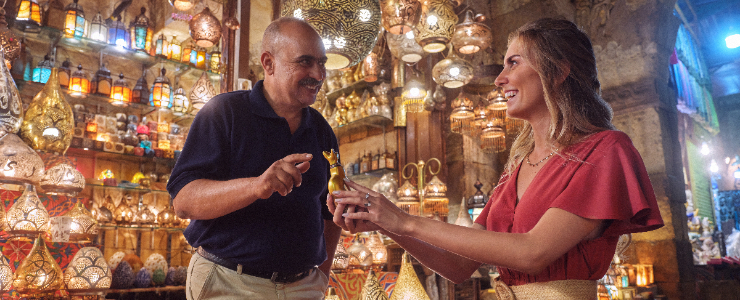
Shopping in Egypt is both a cultural experience and a treasure hunt. Travelers can explore bustling souqs filled with spices, textiles, and handmade crafts. Traditional bazaars offer a glimpse into everyday Egypt culture and traditions.
Popular souvenirs include handwoven kilims, Siwan salt lamps, pottery from Fayoum, and papyrus artwork inspired by ancient Egyptian designs.
Jewelry featuring the ankh symbol or hieroglyphic cartouches also connects modern craftsmanship with ancient heritage.
These markets bring travelers closer to the artistry embedded in Egyptian culture.
6. Egypt’s Vibrant Evening Culture

Egypt’s major cities remain lively well into the night. In Cairo and Alexandria, evenings often include strolls along the Nile, mint tea in local cafés, and vibrant street life.
A traditional felucca ride on the Nile offers a peaceful way to experience the city skyline. Meanwhile, restaurants and performance venues often feature folkloric tanoura dance shows that combine music, rhythm, and colorful costumes.
These moments reveal the living, breathing side of Egypt culture.
Latest Post
- Summer in Carinthia: Austria’s Sunniest Escape for Lakes, Mountains, and Slow Travel Adventures

- How Travel Advisors Can Sell Digital Detox Travel: Top Destinations to Recommend

- How to Sell Off-Season Destinations Like a Pro

Egypt: A Destination Where the Past and Present Live Together!
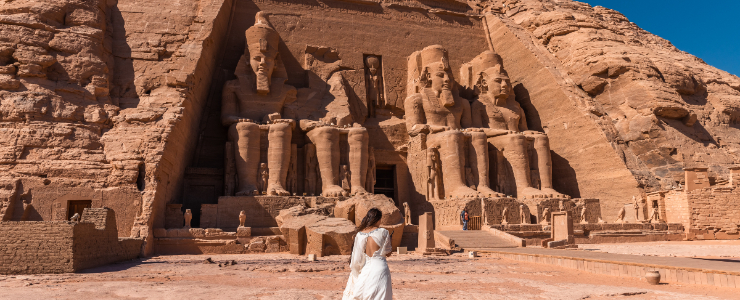
What makes Egypt such a compelling destination in 2026 is its ability to connect past and present. Ancient heritage sites exist alongside modern art galleries. Traditional cuisine meets contemporary culinary creativity.
This balance creates a destination where culture feels alive rather than preserved behind glass.
For those designing meaningful journeys, Egypt offers something rare: a place where culture, traditions, and food combine to create immersive travel experiences.
FAQs
What Are the Most Famous Egyptian Foods to Try?
Popular Egyptian food includes koshary, taameya, foul medames, molokhiya, kofta, kebab, and traditional desserts like Umm Ali.
What Is the Traditional Egyptian Breakfast?
A typical Egyptian breakfast often includes taameya, foul medames, eish baladi bread, cheeses, and fresh vegetables.
What Are the Best Cultural Experiences in Egypt?
Top cultural experiences include visiting the Cairo Opera House, exploring modern art museums, attending festivals, and discovering authentic Egyptian food.
Where Can Travelers Experience Egyptian Art and Creativity?
Cairo and Alexandria host vibrant galleries, exhibitions, and museums that highlight the evolving contemporary side of Egypt’s culture.
What Souvenirs Should Travelers Buy in Egypt?
Popular souvenirs include papyrus art, kilim rugs, Siwan salt lamps, pottery, Egyptian cotton products, and jewelry featuring the ankh symbol.
