



Some journeys begin at airports; others begin at a tiny plastic stool on a bustling yet rustic street corner. But the best way to start your Vietnam trip is usually with a bite of some steamy deliciousness—pho. This steaming bowl of noodles in the cool Hanoi morning air fills it with temptation.
But beyond food, there’s this rhythm in every direction: scooters passing through intersections, boats drifting along the Mekong, and laughter echoing in night markets. Vietnam is a place to taste, hear, and feel.
These immersive, sensory-led experiences translate into highly marketable itineraries that resonate with modern travelers. For travel advisors, Vietnam offers strong cross-selling opportunities, customizable routes, and consistent demand.
Now, let’s get to the main part & cover everything—from where to stay to what to eat in this Vietnam travel guide!
Be Aware of the Visa Guidelines

First things first, you need to understand the visa guidelines. Since August 15, 2023, travelers can get a 90-day e-visa with multiple entries. Plus, citizens of 13 countries enjoy visa-free stays up to 45 days.
Ideal Vietnam Trip Duration
One of the trickiest questions when planning any trip is deciding how many days to spend in a place and how to divide them. Vietnam makes this decision even harder, simply because of infinite experiences that it has to offer.
- For first-time travelers, 10–12 days is ideal to experience the highlights without rushing. If you’re short on time, a 5–7 day trip can focus on either northern areas like Hanoi, Sa Pa, and Hạ Long Bay, or southern highlights such as Ho Chi Minh City and nearby beaches.
- If you have more flexibility, then consider 2–3 weeks and explore more—trekking in the mountains, soaking in central Vietnam’s history, and unwinding along lesser-known coastal towns.
Pro Tip: Decide whether your client wants the trip to be about quick highlights or experiences. Vietnam works beautifully for both, but knowing your pace will help balance sightseeing with relaxation.
Best Places to Visit in Vietnam
Now let’s get to the exciting part—choosing & planning where to go. Vietnam stretches like a long ribbon from north to south, and each stop feels like stepping into a new story. Here’s how your Vietnam trip itinerary could become more holistic, with each destination offering its own slice of magic:
1. Ha Giang
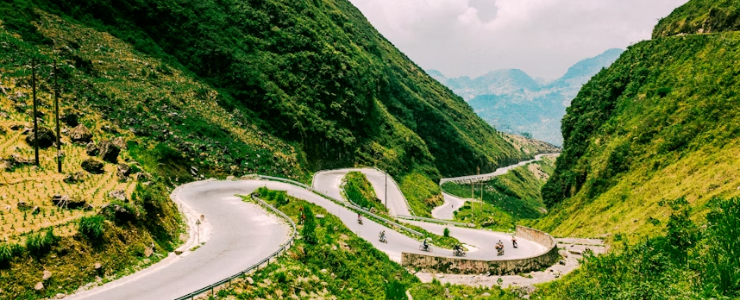
It’s a remote border province in northern Vietnam, Ha Giang is famed for its rugged mountain passes, minority villages, and timeless scenery. Best explored by motorbike, it’s a dream destination for road trippers.
- Highlights: Drive the epic Ma Pi Leng Pass, trek the Dong Van Karst Plateau, visit the historic H’Mong King’s Palace, and climb to the Lung Cu Flagpole at the Chinese border.
- Best Time to Visit: September–November (cooler weather, Buckwheat Flower Festival).
2. Phong Nha
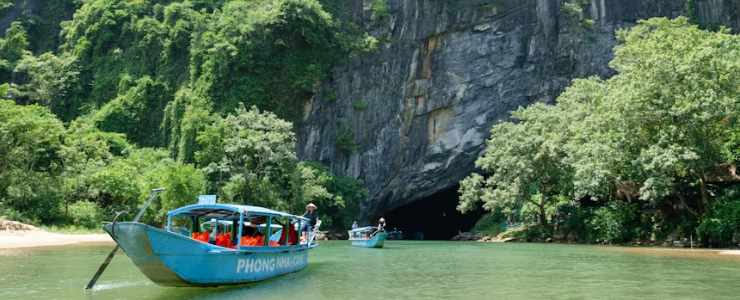
Once a sleepy village, Phong Nha is now the gateway to Phong Nha–Kẻ Bàng National Park, home to the world’s largest caves and jungle ecosystems.
- Explore Hang Sơn Đoòng (the Big One).
- Camp in Hang Én Cave.
- Cycle through Bồng Lai Valley.
- Walk the Nuoc Mooc Eco Trail.
- Join wildlife tours with local conservationists.
Best Time to Visit: April–June (pleasant, dry weather).
3. Da Lat
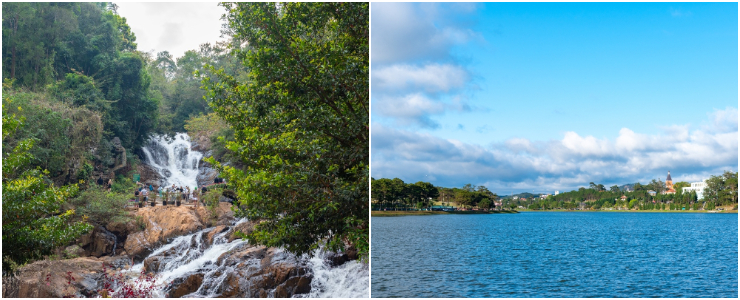
Set in the Central Highlands, Da Lat blends French colonial charm, pine forests, and waterfalls with a cool mountain climate. Nicknamed the “City of Eternal Spring,” it’s popular with couples and outdoor enthusiasts.
- Stroll around Xuan Huong Lake.
- Explore colonial landmarks and the central market
- Go canyoning at Datanla Falls
- Hike Lang Biang Mountain & ride the scenic Da Lat train
- Get a taste of local coffee at farms like K’Ho Coffee.
Best Time to Visit: Year-round spring-like climate; cooler from November–January.
4. Hanoi
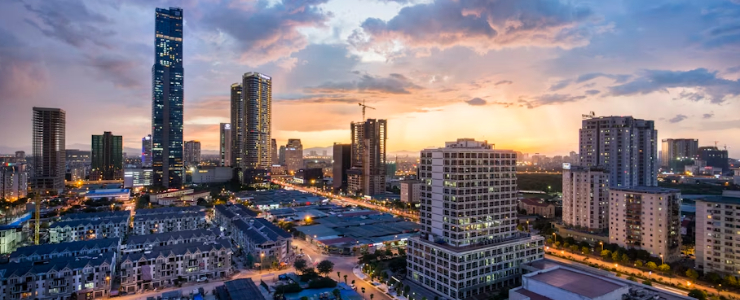
Founded over 1,000 years ago, Hanoi is a fascinating mix of history and modern energy. Wander through the Old Quarter, where narrow alleys echo with temple bells, street food aromas, and the calls of vendors.
Top things to do in Hanoi
- Taste authentic phở and bún chả at roadside stalls.
- Stroll around Hoan Kiem Lake, where locals practice Tai Chi and laughing yoga.
- Sip egg coffee in Hanoi’s quirky cafés.
- Explore the Fine Arts Museum or modern art galleries like Manzi.
- Ride a cyclo through the bustling Old Quarter streets.
Best Time to Visit Hanoi: April–June or September–October for clear skies and pleasant weather.
5. Hoi An
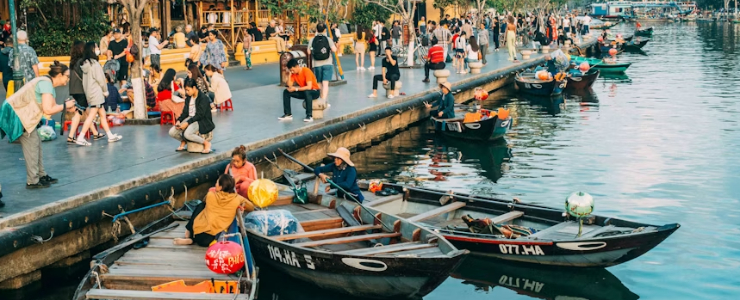
With its heritage-listed Old Town and laid-back riverside setting, Hoi An feels like stepping back in time. By day, its ochre-colored shop houses and vibrant markets beg exploration; by night, the town glows with thousands of lanterns.
Top things to do in Hoi An:
- Walk across the iconic Japanese Bridge and explore centuries-old merchant houses.
- Dine on local specialties like cao lầu and white rose dumplings.
- Cycle through lush rice paddies to fishing villages.
- Relax on An Bang Beach or take a boat to the Cham Islands.
- Visit My Son Sanctuary, a UNESCO-listed site of ancient Cham temples.
Best Time to Visit Hoi An: March–May for sunny days and lantern-filled nights.
6. Hue
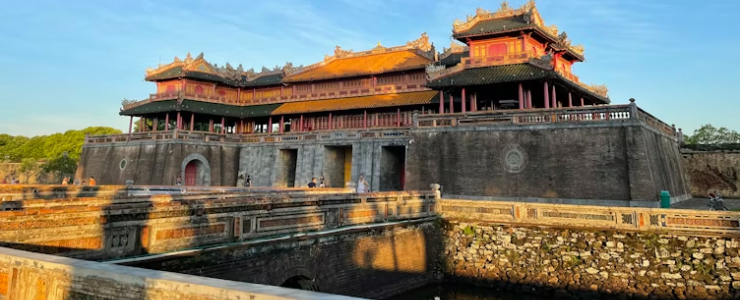
Once the seat of Vietnam’s emperors, Hue is steeped in royal heritage. Palaces, tombs, and pagodas line the banks of the Perfume River, offering a glimpse into Vietnam’s imperial past.
Top things to do in Hue:
- Explore the Imperial Citadel and the tombs of Nguyen emperors.
- Sample royal-inspired cuisine at local markets and restaurants.
- Visit the seven-tiered Thien Mu Pagoda.
- Cycle to Thanh Toan Bridge through rice fields and villages.
- Admire colonial architecture along leafy boulevards.
Best Time to Visit Hue: February–April for clear skies and cooler temperatures.
7. Da Nang
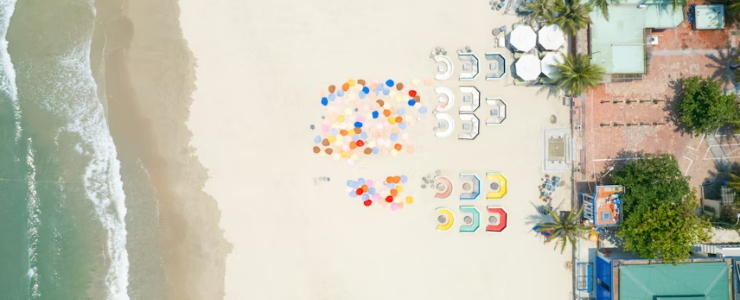
With beaches, street food, the iconic Hai Van Pass, and a thriving café culture, Da Nang is one of Vietnam’s most exciting coastal cities. While it features luxury resorts and modern conveniences, much of its coastline remains a community hub—where locals gather and socialize.
Top things to do in Da Nang
- Relax at My Khe Beach – Wake up early to see fishermen haul in fresh catches and join locals for a morning jog or beachside coffee.
- Explore the Son Tra Peninsula – Spot the endangered red-shanked douc langur in lush forests and enjoy panoramic sea views.
- Visit the Cham Museum of Sculpture – Home to the world’s largest collection of Cham artifacts, a must for history lovers.
- Savor Da Nang street food – Don’t miss mì quảng, a fragrant noodle dish topped with shrimp, pork, herbs, and quail eggs.
- Climb Marble Mountains – Discover hidden caves, pagodas, and shrines in this cluster of spiritual limestone peaks.
Best Time to Visit Da Nang: March–May and September–October for warm weather and crystal clear skies.
8. Ho Chi Minh City
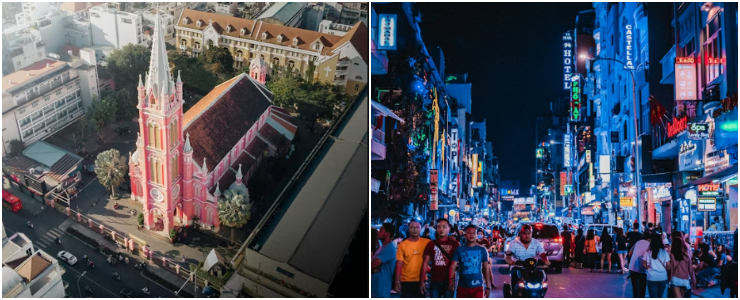
Vibrant, dynamic, and full of life, Ho Chi Minh City (formerly Saigon) is Vietnam’s economic powerhouse and cultural melting pot. With buzzing streets, a skyline that blends colonial architecture with modern skyscrapers, and a street food scene that rivals the best in the world, HCMC captures both the past and future of Vietnam.
Top things to do in Ho Chi Minh City
- See the city’s landmarks – Admire the French-colonial Notre Dame Cathedral Basilica, explore the Central Post Office, and stroll past the Saigon Opera House. Don’t miss the lively Bến Thành Market and spiritual Jade Emperor Pagoda.
- Shop boutique apartments – Discover quirky shops inside repurposed buildings like 22 Lý Tự Trọng and 42 Nguyễn Huệ, filled with fashion, crafts, and cafés.
- Wander Chợ Lớn (Chinatown) – Explore bustling Bình Tây Market and the atmospheric Thiên Hậu Pagoda, dedicated to the goddess of the sea.
- Indulge in street food – Try bánh mì, crispy bánh xèo (savoury pancakes), and cơm tấm (broken rice) for an authentic taste of southern Vietnam.
Best Time to Visit HCMC: Warm year-round, but ideal months are December to March, when it’s dry and slightly cooler.
9. Phú Quốc Island
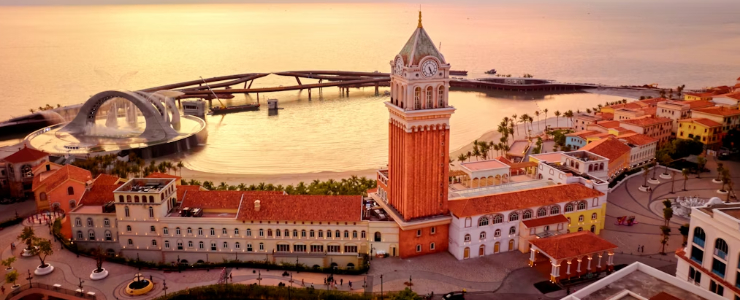
Synonymous with turquoise waters, seafood feasts, and fiery sunsets, Phú Quốc Island is Vietnam’s premier tropical escape. Whether you’re drawn to white-sand beaches, coral reefs, or rustic fishing villages, Phú Quốc has a way of balancing luxury with laid-back charm. Beyond its beaches, you’ll find pepper farms, fish sauce factories, and lush forests brimming with wildlife.
Top things to do in Phú Quốc
- Explore Phú Quốc National Park – Trek scenic trails in Gành Dầu or cool off at Suối Tranh waterfall. Experienced hikers can tackle Hàm Ninh Mountain for panoramic sea views.
- Snorkel & dive the An Thới Archipelago – Discover colorful reefs at Gành Dầu Coral Garden and Hàm Ninh Rock Garden, part of the UNESCO-protected Kien Giang Biosphere Reserve.
- Relax at Starfish Beach – Spot countless starfish in crystal-clear waters, picnic under palm trees, and, if lucky, witness glowing bioluminescent plankton after sunset.
- Tour eco-farms & factories – Visit pepper farms, the Phú Quốc Bee Farm, or learn the island’s fish sauce secrets at the Red Boat Factory.
- Experience fishing villages – Wander through Cửa Cạn, Rạch Tràm, or Hàm Ninh to see daily island life and brightly painted boats.
- Taste Phú Quốc seafood specialties – Try bún kèn (noodle soup with fish and coconut milk), gỏi cá trích (raw herring salad), and grilled oysters topped with peanuts and scallions.
Best Time to Visit Phú Quốc: November to March for sunny skies, calm seas, and the island’s best sunsets.
Sort Your Transportation
One of the most important things that you should do before traveling to Vietnam is sort out how you are going to travel around.
1. Flights: The quickest way to cross long distances—Hanoi to Ho Chi Minh City in just 2 hours.
2. Trains: The scenic Reunification Express stretches from Hanoi to Ho Chi Minh City. Yes, it is slower, but perfect for soaking in Vietnam’s countryside charm.
3. Buses: Sleeper buses connect major cities at budget-friendly prices. They are comfortable for overnight journeys and great for travelers on a budget.
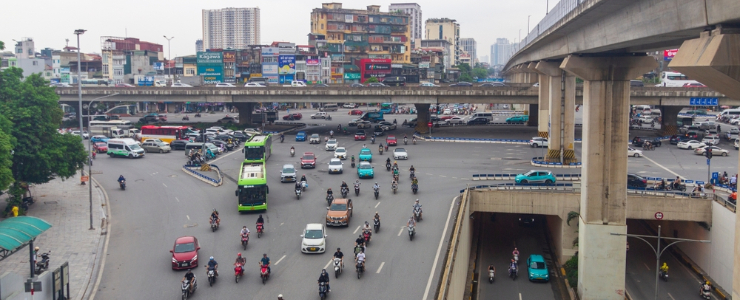
4. Motorbikes: This mode of transportation is perfect for short trips or daring cross-country rides. Just be prepared for the traffic chaos.
5. City Transport: You can use taxis, Grab, cyclos, or buses for quick, budget-friendly, and easy city navigation.
Decide the Best Time to go to Vietnam
Vietnam’s peak season from December to May brings mild, dry weather and festive cultural experiences but higher hotel prices.
June to July offers warm weather with occasional rain, moderate costs, and local festivals.
August to November is hot and rainy, ideal for budget travelers seeking lower rates and indoor attractions.
Extra Information
- Vietnam runs on the Vietnamese đồng (VND), and yes, the bills have lots of zeros—it’s just how it works.
- ATMs are everywhere, but cash is king in local markets and street stalls.
- Cards work at hotels, restaurants, and shops, but don’t expect every vendor to swipe.
P.S: Bargaining is part of the fun; tipping isn’t required but always appreciated.
Phrases to Know Before Visiting Vietnam
- Xin chào: Hello
- Tạm biệt: Goodbye
- Cảm ơn: Thank you
- Xin lỗi: Excuse me / I’m sorry
- Làm ơn: Please
Latest Posts
- Virginia Travel Guide: Top Things to Do and Places to Visit by Region

- Virginia Beach Romantic Getaway: 6-Day Itinerary

- Ryanair lowers fares across Europe

Wrapping Up Your Vietnam Adventure
From lantern-lit towns to rice-terraced mountains, Vietnam offers a diverse portfolio of experiences shaped by rich culture, exceptional cuisine, and genuine hospitality. The way an itinerary is structured plays a critical role in uncovering high-value, less-explored experiences that today’s travelers seek.
Whether it’s identifying the optimal travel window, curating a well-balanced itinerary, or selecting the right mix of experiences, a strategic approach ensures stronger client satisfaction and higher conversion potential. Vietnam continues to stand out as a destination that consistently delivers both depth and diversity.
For a more comprehensive, sales-focused understanding, explore our Vietnam course.
FAQs
What is the best month to visit Vietnam?
The best months to visit Vietnam are typically from December to April, when the weather is dry and comfortable across most regions.
How many days do I need for a Vietnam trip?
For first-time travelers, 10–12 days is perfect to cover Vietnam highlights. If you’re short on time, a 5–7 day trip can focus on either the north or south. With 2–3 weeks, you can enjoy a complete Vietnam itinerary, including mountains, caves, beaches, and hidden gems.
What is the best way to travel around Vietnam?
Vietnam offers multiple transportation options depending on your pace and budget. Flights are best for long distances, while the Reunification Express train is scenic but slower. Sleeper buses are affordable for intercity travel. Within cities, taxis, Grab, cyclos, and buses are also convenient.
Is Vietnam cheap or expensive to travel?
Yes! Vietnam is considered a budget-friendly destination compared to many Asian countries.
Do I need a visa to visit Vietnam?
Many travelers require a visa or e-visa to enter Vietnam. Over 80 nationalities are eligible for the convenient Vietnam e-visa, valid for 90 days with single or multiple entries. Some countries also have visa exemptions for short stays. Always check the latest Vietnam visa policy before your trip.
