

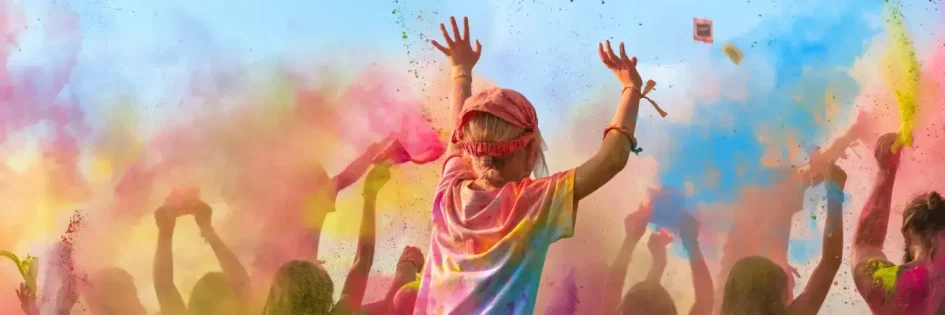

Colors, flavors, and pure festive energy are what describe Holi in India. But what if there is something new and unique you have not yet discovered? And what if some of the most fascinating Holi traditions in India are still waiting to surprise you?
With Holi 2026 approaching on March 4, this is the perfect opportunity to step beyond the common celebrations and explore the wide variety that exists across India. Each region brings its own blend of culture, devotion, and local flair, making Holi one of the country’s most culturally diverse and captivating festivals.
In this blog, let’s decode the lesser-known, vibrant, and unforgettable ways India celebrates Holi, revealing traditions that go far beyond color play.
Holi Beyond Gulal: Traditions That Define the Festival
1. Lathmar Holi, Uttar Pradesh
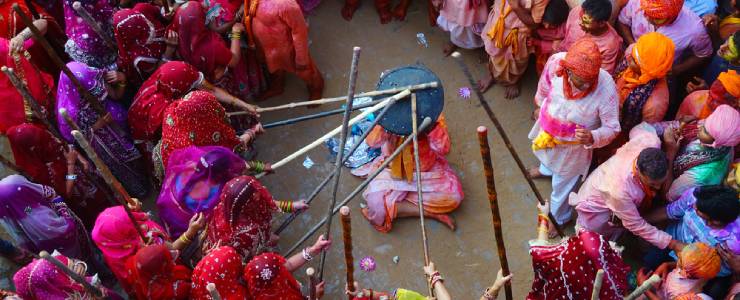
One of the most dramatic and talked-about traditions is Lathmar Holi in Uttar Pradesh. This playful ritual is rooted in mythology, where Krishna visited Radha’s village and teased her companions. In response, women chased the men away with sticks.
Today, that legend is reenacted as men from Nandgaon visit Barsana. Women greet them with symbolic sticks while men shield themselves. The celebration takes place near the Radha Rani Temple and lasts for several days.
The best time to visit Barsana for Holi is usually a few days before the main Holi festival.
2. Phoolon Wali Holi
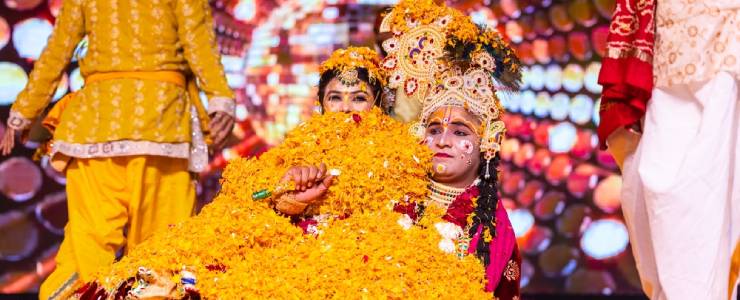
Phoolon Wali Holi in Vrindavan, also known as Flower Holi, is a breathtaking celebration held inside the sacred Banke Bihari Temple and Prem Mandir. Instead of clouds of colored powder, priests gently shower devotees with rose petals and fragrant blossoms, creating a dreamy, almost ethereal atmosphere.
Celebrated just before the main Holi festivities, Phoolon Ki Holi is brief yet visually mesmerizing. In recent years, its stunning imagery has gone viral, drawing travelers and spiritual seekers not just from India but around the world.
For travelers seeking a Spiritual Holi in Vrindavan, this celebration offers a gentler yet deeply meaningful alternative. As part of the larger tradition of Holi in Vrindavan temples, it is perfect for those who wish to experience a peaceful, devotional side of Holi in India without the high-energy color play.
3. Dol Jatra, West Bengal
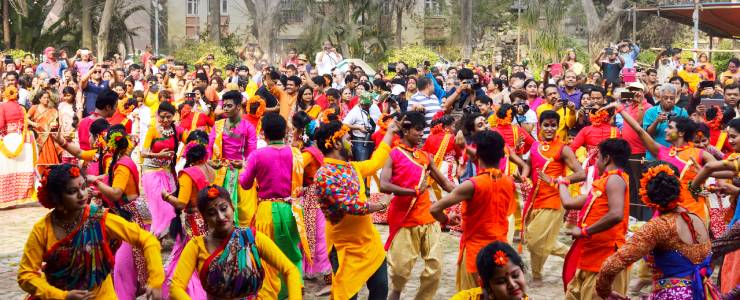
In West Bengal, Dol Jatra brings together devotion and celebration in a uniquely Bengali style. Popularized by the 16th-century saint Chaitanya Mahaprabhu, the festival honors Lord Krishna’s playful spirit.
Participants wear yellow or saffron attire and join vibrant processions carrying idols of Krishna and Radha on decorated palanquins. Devotees sing devotional songs, dance through the streets, and gently apply abir to one another.
Unlike the exuberant color battles elsewhere, Dol Jatra focuses on bhakti, music, and graceful celebration. The spiritual dimension makes it a deeply meaningful way to experience Holi 2026.
4. Doul Utsav, Assam
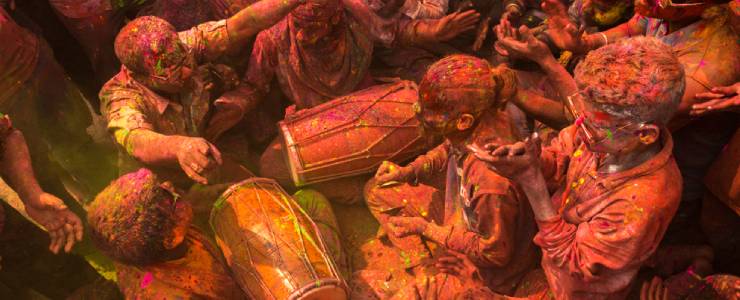
In Assam, particularly in Barpeta, Doul Utsav transforms spring into a vibrant devotional spectacle. Also known locally as Deul, this festival merges the spirit of Holi with Vaishnavite traditions.
The Barpeta Satra, one of Assam’s most revered spiritual centers, becomes the heart of the celebration. Devotees gather for several days to witness rituals honoring Lord Krishna. Depending on the lunar calendar, the festival may last three to five days.
The three-day version is known as Burha Doul, while the longer celebration during Phalgun is called Deka Deul. The final day is especially captivating, as the town glows in soft pink hues from celebratory color play.
One of the most unique aspects of Doul Utsav is the tradition of Holi songs, known locally as Holi Geets. These devotional compositions are a treasured part of Assam’s cultural heritage. Bamboo rituals on the final day add another layer of distinctiveness.
5. Manjal Kuli, Kerala
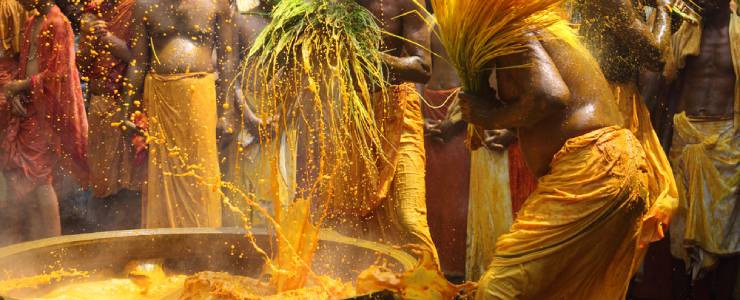
While many assume Holi in India is primarily a North Indian celebration, the southern state of Kerala has its own unique version known as Manjal Kuli, also called Ukuli.
Unlike the high-energy color battles seen elsewhere, during Manjal Kuli, the celebrations center around the Konkani temple in Gosripuram. Devotees gather on the first day for prayers and community interaction.
On the second day, participants play with turmeric water rather than synthetic colors. Singing, dancing, and folk traditions bring the community together in a relaxed yet joyful atmosphere.
Manjal Kuli may not be as widely known as other Holi celebrations, but its simplicity makes it culturally significant. For travelers exploring Holi 2026, Kerala offers a peaceful and meaningful alternative to the louder festivities.
6. Kumaoni Holi, Uttarakhand
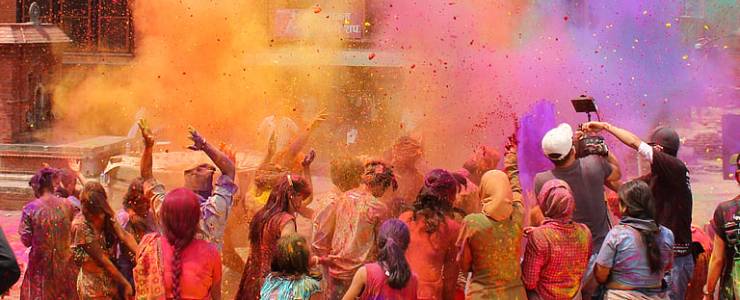
In the Himalayan region of Uttarakhand, Kumaoni Holi unfolds as a deeply rooted cultural celebration.
Fifteen days before Holi, villages ceremonially prepare the sacred bonfire known as the Cheer during a ritual called Cheer Bandhan. A green Paiya tree branch is placed at the center of the structure, symbolizing life and renewal. Each neighborhood carefully guards its Cheer, as other communities may attempt to steal it.
On the eve of Holi, the bonfire is lit in a ritual known as Cheer Dahan, symbolizing the triumph of Prahlad’s devotion over evil.
The following day, known locally as Chharadi or Dulhendi, brings celebration. Natural colors prepared from Tesu flowers, ash, and herbal extracts are used to create bright orange and yellow hues. Locals throw abeer and gulal, spray colored water with pichkaris, and sing traditional songs that echo through the hills.
The festivities conclude with Shubh Kamna, a collective prayer for prosperity and health in the coming year.
Latest Posts
- Here’s Your Guide to Cherry Blossom Festival NYC
- Top 5 Festivals Of Goa : Beat Along With The Cultural Vibrance
- Festivals and Events in Western Australia : You Must Know
Fresh & Festive Ways to Celebrate Holi
Whether you prefer vibrant parties or meaningful moments, these ideas bring a modern twist to celebrating Holi in 2026.
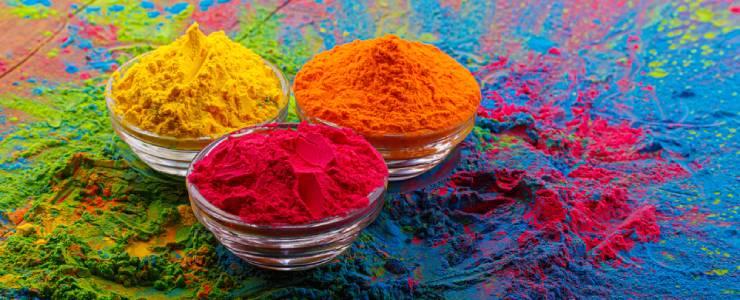
1. Go for an Eco-Friendly Holi and play with herbal, organic colors that are safe for you and the planet.
2. Try a Dry Holi with no water. You still get all the fun without the waste.
3. Host a Flower-Only Holi, inspired by the beautiful traditions of Vrindavan.
4. Throw a themed Holi party with vibrant décor, dress codes, and a colorful playlist.
5. Curate a festive potluck featuring classic Holi food like gujiya and thandai and invite everyone to bring a regional twist.
6. Plan a Holi trekking getaway in the hills if you prefer mountain views over city crowds.
7. Celebrate at luxury resorts or heritage hotels offering curated Holi experiences.
8. Give back by participating in charity drives or local community initiatives during Holi in India.
A Festival of Color, Culture & Connection
The incredible diversity of Holi in India makes it one of the most dynamic cultural celebrations on the calendar. From immersive heritage experiences to rising Holi festival inbound travel in India, the festival blends storytelling, food like gujiya and thandai, evolving fashion trends, and vibrant music into one unforgettable celebration.
So, how will you be celebrating Holi this year?
FAQs
What’s the Holi 2026 date?
In 2026, Holi will be celebrated on Wednesday, 4th March.
Where to experience Lathmar Holi in 2026?
Barsana and Nandgaon host the best Lathmar Holi celebrations near Mathura.
Which are the best Holi travel destinations for Indian travelers?
Mathura, Vrindavan, Barsana, Nandgaon, and Barpeta in Assam remain top choices.
How to play Holi with eco-friendly colors?
Use herbal powders, avoid synthetic dyes, protect your eyes, and stay hydrated.
How to plan a Vrindavan itinerary during Holi?
Combine temple visits, devotional singing, and structured Temple Holi tour packages.
