

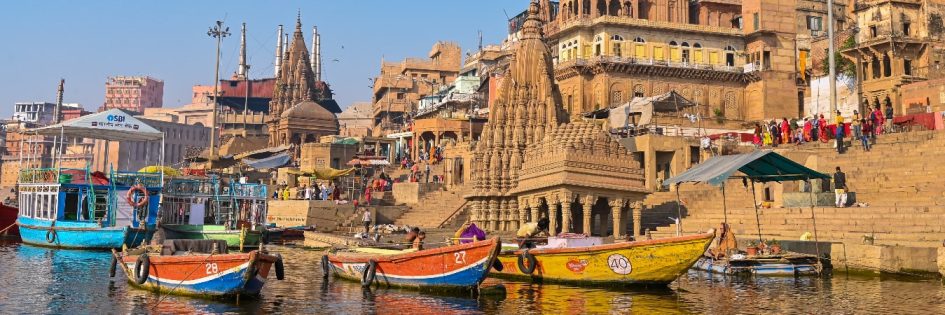

Varanasi is a city everyone has heard of, but very few truly understand. Travelers come here for different reasons — some for spirituality, some for photography, some for culture, and some simply because “everyone must see Varanasi at least once.” But the real charm of this ancient city lies far beyond the famous ghats and temples.
What makes Varanasi unforgettable is the feeling it carries — that mix of devotion, history, sound, color, and slow-paced life that somehow touches each visitor differently. And now, with the official 169 Vetted Stories of Kashi–Sarnath, the city’s deeper layers are finally opening up for the world to explore.
This story map has quickly become a powerful tool for travelers and travel professionals, giving structure and meaning to the way people explore Varanasi.
Kashi Is More Than What We See on the Surface
If you walk through Varanasi without knowing its background, everything looks interesting but overwhelming. There are shrines in every lane, small temples hidden between houses, kunds that look like old water tanks, and ancient stones that most people walk past without noticing.
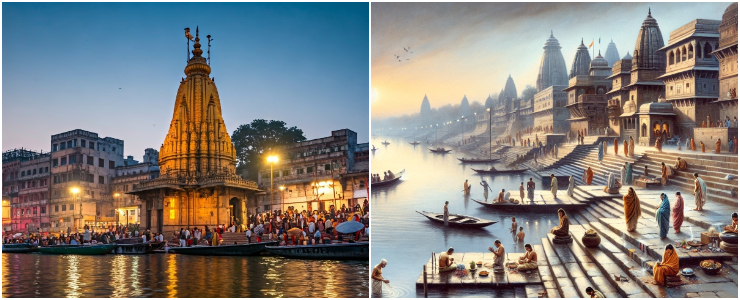
But each of these places has a story.
And each story has a purpose.
The 169 stories highlight these forgotten or lesser-known sacred points — many of them small, simple, or even unmarked — and explain why they matter.
These aren’t just mythological tales. They’re cultural anchors that help travelers understand:
- Why certain rituals exist
- Why locals respect specific corners of the city
- Why some ghats feel powerful
- Why Kashi is considered a living heritage, not a historical site
For travel professionals, these stories also help differentiate a standard tour from a memorable one. Today’s travelers — especially younger ones — value meaning over checklists. These stories help deliver exactly that.
A Glimpse Into the Stories That Shape Kashi
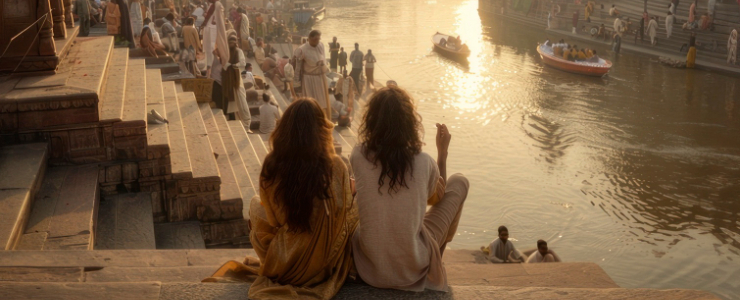
Here are a few examples that show what makes the 169-story collection so interesting:
Laat Bhairav — The Unseen Protector
A tall stone pillar believed to be a form of Bhairav, quietly guarding the city. Travelers love this spot because it feels mysterious and different from the usual temple visit.
Annapurna’s Golden Offering
A gentle story where the goddess fed Shiva to remind him that food is sacred. This explains why food culture — from kachoris to malaiyyo — is such a big part of Banaras life.
Trilochan Mahadev — The Three-Eyed Blessing
A temple where Shiva is worshipped in a linga form that represents his third eye. It’s not crowded, but it carries a sense of calm that many visitors appreciate.
Batuk Bhairav’s Eternal Flame
A flame believed to have burned continuously for centuries. It offers travelers a peaceful moment of reflection.
The Meeting of Tulsidas and Hanuman
A simple spot in the city where a life-changing spiritual encounter is believed to have happened — eventually leading to the creation of the Ramcharitmanas.
These stories help travelers see Varanasi with softer, more attentive eyes. Instead of rushing between temples, they begin searching for moments.
Why These Stories Matter for Travelers Today
Modern-day travel has changed. People don’t want to simply “visit” a destination; they want to understand it. They want stories they can take back home, not just photos.
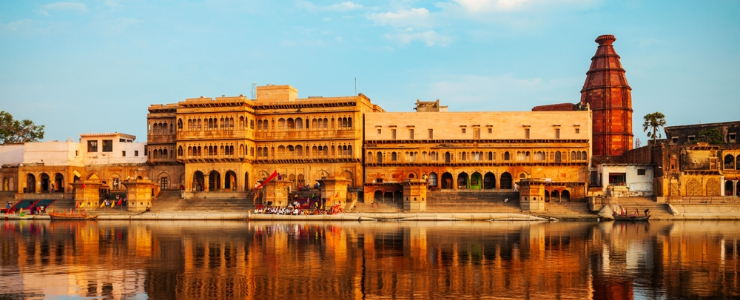
The 169 stories help:
- Slow down the pace of exploration
- Make hidden gems feel meaningful
- Give travelers a sense of discovery
- Connect spiritual and cultural contexts
- Provide a fresh alternative to the typical tourist trail
For agents and tour curators, this collection opens new possibilities — themed walks, spiritual circuits, storytelling tours, neighborhood explorations, and deeper cultural immersion.
In short, the stories help answer the modern traveler’s biggest question:
“But what does this place really mean?”
Kashi and Sarnath: Two Energies, One Experience
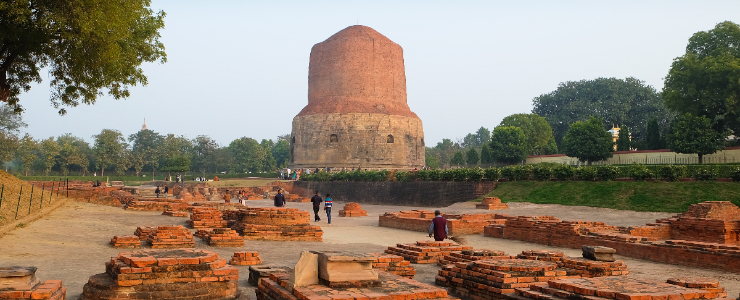
One of the most beautiful parts of these stories is how they connect Kashi’s spiritual intensity with the peaceful energy of Sarnath. Together, they create a well-rounded journey that blends devotion, reflection, history, and culture.
Travelers who explore both sides often say the experience feels complete — like seeing two chapters of the same book.
Read More: Street Foods of Varanasi
A New Way to Experience an Ancient City
Whether you are a traveler planning your first trip or a travel professional building a new itinerary, the 169 stories offer something valuable:
context.
They encourage travelers to pause, observe, and appreciate Kashi’s smaller details — the quiet shrines, the sacred wells, the ancient steps, the hidden corners that hold centuries of memory.
And that’s where Kashi truly comes alive.
Not in the big moments alone, but in the gentle ones that sit quietly in its lanes.
Latest Posts
- Saudi Arabia plans $7 billion theme-park destination near Paris with three new attractions

- Scotland captures Europe spotlight with historic cities and wild landscapes

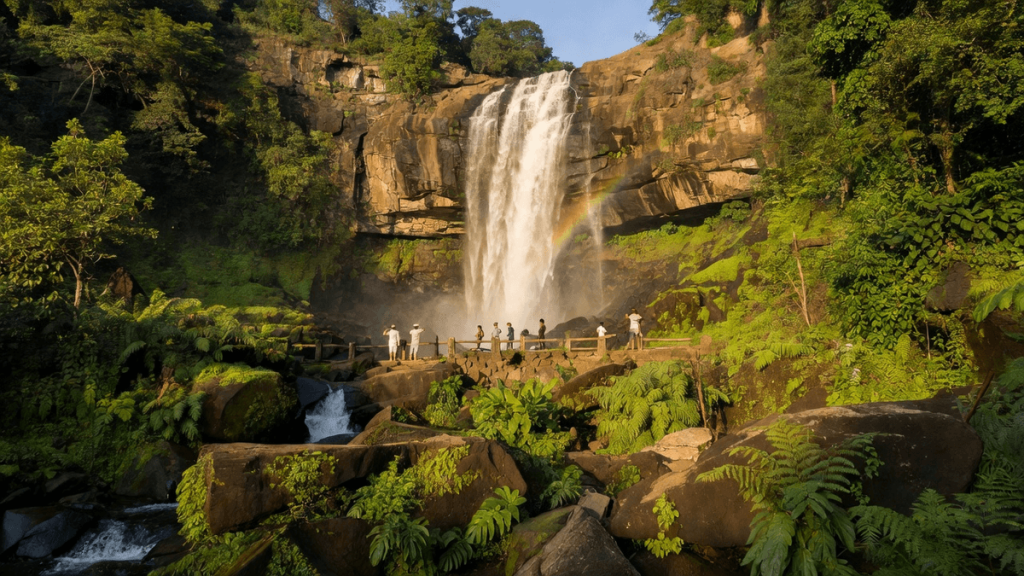
- Nambi Waterfall emerges as a new tourism attraction in Chhattisgarh
An Invitation to Explore
If you want to understand Varanasi beyond the famous spots, begin with these stories.
They will guide you, surprise you, and help you see the city with new eyes.
Because Kashi isn’t just a place you travel to.
It’s a place that reveals itself — story by story.
FAQs:
What is the best time to visit Varanasi for spiritual tourism?
The ideal time is between October and March when the weather is pleasant. Festivals like Dev Deepawali, Annakut, and Kartik Purnima attract many visitors.
Why is Varanasi considered the spiritual capital of India?
Because it is home to sacred temples, ancient ghats, and mythological stories described across centuries — including the 169 documented legends of Kashi & Sarnath.
What are the most important spiritual places in Varanasi?
Kashi Vishwanath Temple, Annapurna Devi Temple, Kaal Bhairav, Assi Ghat, Dashashwamedh Ghat, Manikarnika Ghat, and Sarnath.
Which ghat is the most famous in Varanasi?
Dashashwamedh Ghat is the most famous, known for its grand Ganga Aarti every evening.
Is Sarnath worth visiting during a Varanasi trip?
Sarnath is a major Buddhist pilgrimage site where Buddha gave his first sermon. It offers a peaceful contrast to the intensity of Kashi.
What is the Panchakroshi Yatra in Varanasi?
It’s an 88 km pilgrimage completed over five days, covering 108 sacred shrines around the boundary of Kashi.
What is the significance of Manikarnika Ghat?
It is Varanasi’s holiest cremation ground, believed to grant moksha. Shiva is said to whisper the Tarak Mantra to departing souls here.
What are the best spiritual experiences in Varanasi?
Sunrise boat ride, Ganga Aarti, walking the old lanes, visiting Devi temples, exploring hidden shrines, and experiencing the peaceful atmosphere of Sarnath.
